What Can a Photography Workshop Offer That Photographing Alone Perhaps Cannot?
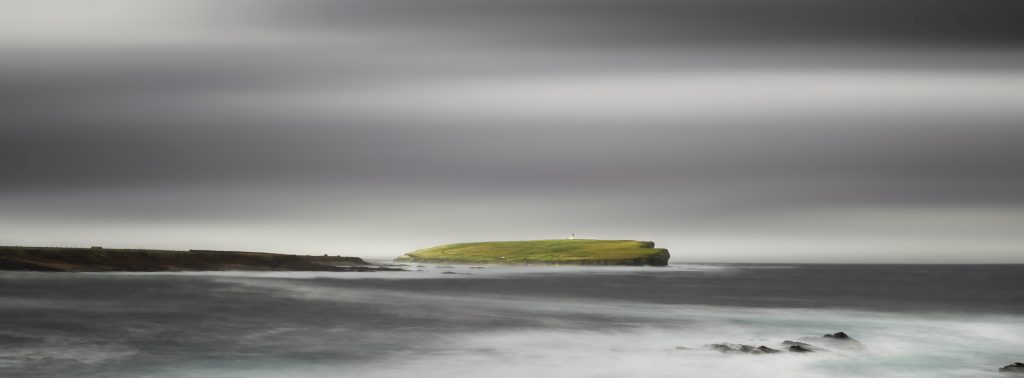
I love photographing alone.
There is something incredibly rewarding about being in the landscape with nobody else around.
No timetable.
No conversation.
No expectations.
Just you, the camera and whatever the landscape happens to offer.
Photographing alone is important. It is where we experiment, make mistakes, discover our preferences and gradually begin to develop our own photographic voice.
But it raises an interesting question.
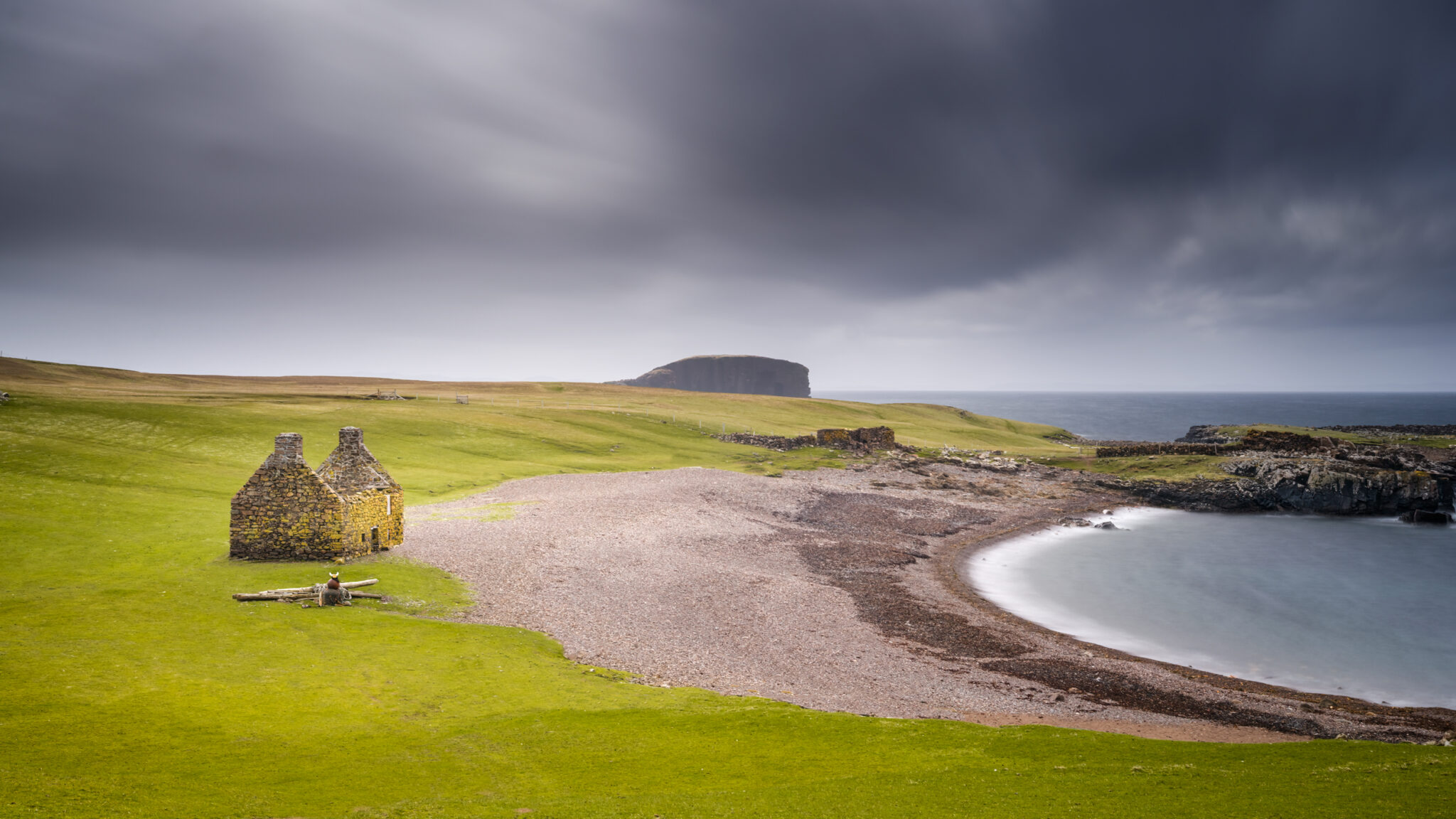
If we can travel independently, learn almost anything online and find photographic locations at the touch of a screen, what does attending a photography workshop actually give us?
For me, the answer isn’t simply being taken to good locations.
It is about having somebody alongside you who can help you recognise things within your photography – and your approach – that can be surprisingly difficult to see for yourself.
Perhaps there is a comparison with golf. A golfer may spend countless hours practising and playing alone, making their own decisions and developing their own game. Yet even the most experienced players occasionally need another pair of eyes – someone who can spot the small habits and weaknesses that re almost impossible to recognise from within.
Photography can be much the same.
We can spend years photographing independently and becoming perfectly comfortable with the way we work. But sometimes we need somebody to question what we are doing, challenge an established habit or simply suggest another way of looking at something.
Not because they have all the answers, but because we are simply too close to our own photography to see what might be holding us back.
A Different Pair of Eyes
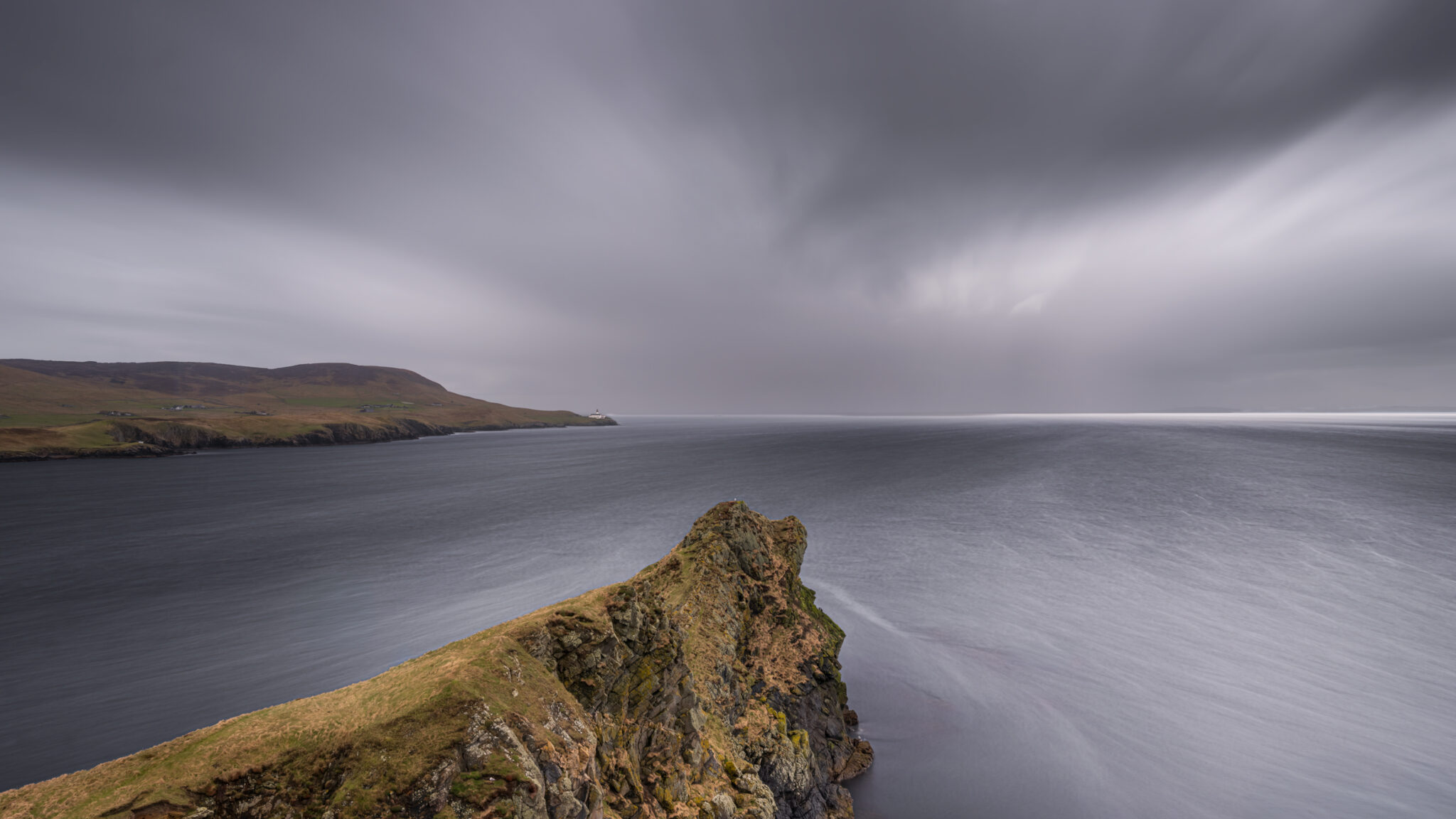
One of the difficulties in photography is that we become accustomed to the way we see.
We naturally gravitate towards certain compositions, focal lengths, subjects and viewpoints. There is nothing necessarily wrong with that, but sometimes familiarity quietly becomes repetition.
A workshop gives you another pair of eyes.
Not somebody telling you exactly where to put the tripod, but somebody asking questions.
Why have you chosen that viewpoint?
What attracted you to this part of the landscape?
What happens if you move three metres to the left?
Do you actually need everything currently inside your frame?
Sometimes a simple question can completely change the way we see.
Learning to Slow Down
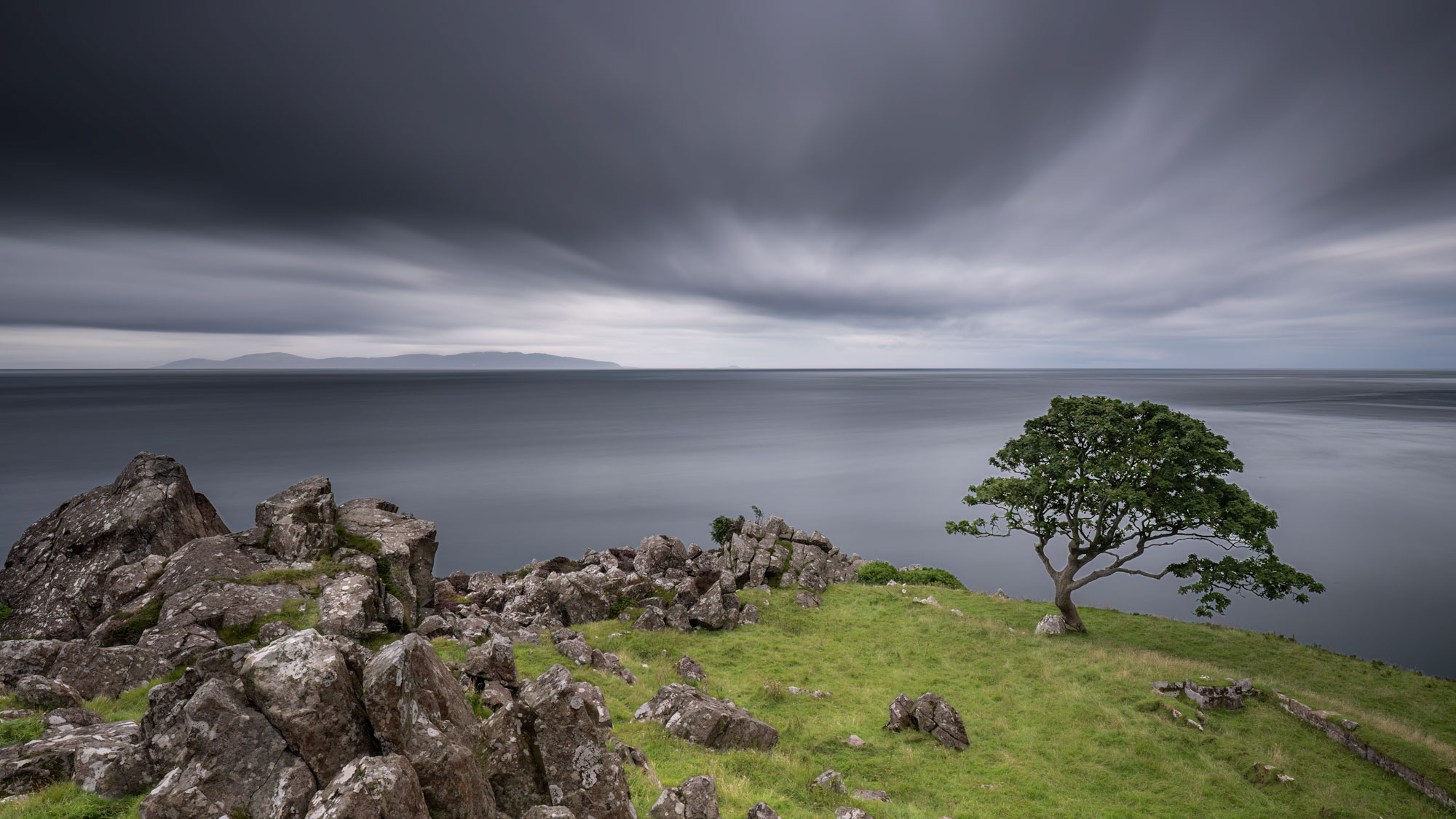
We arrive at an extraordinary location and immediately feel we should be taking photographs.
I’ve seen it so many times on my own photography workshops.
The camera comes out.
The tripod goes up.
We start searching for compositions.
BUT what if we did nothing?
One thing I encourage on my workshops is observation.
Leave the camera in the bag for a few minutes.
Walk around.
Look.
Ask yourself what it is about the landscape that actually interests you.
Is it the light?
Is it the sky?
Is it the ocean?
Slowing down removes some of the pressure to produce a photograph and replaces it with something far more useful – curiosity.
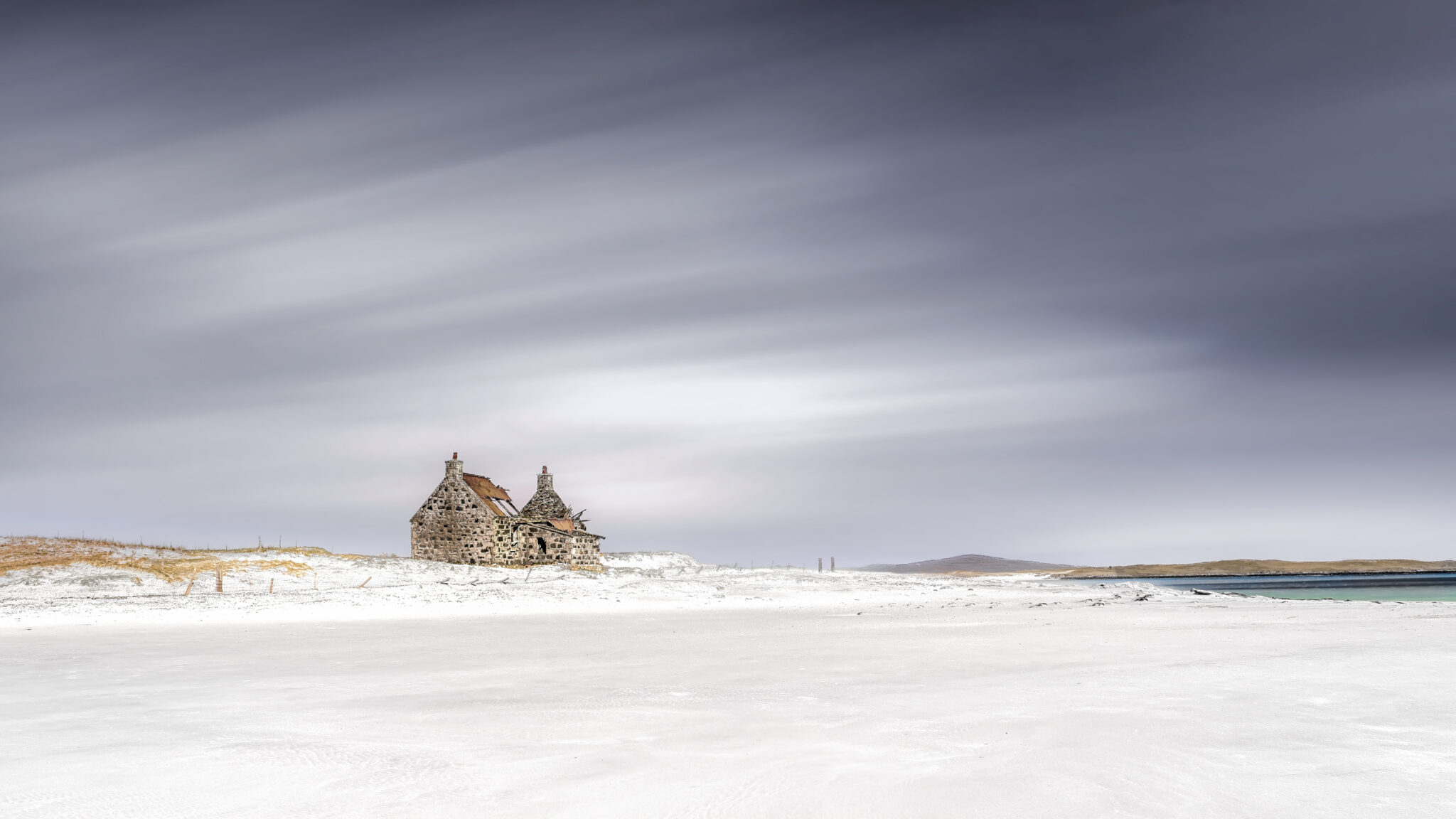
Someone Is There When You Get Stuck
Every photographer gets stuck. I certainly do.
You can stand in front of a wonderful landscape and simply not know what to do with it. There is far too. much information, nothing seems to connect and every composition feels slightly wrong.
When photographing alone, it is easy to become frustrated or simply move somewhere else.
On a workshop, we can work through that problem together.
Instead of asking, “Where is the photograph”, perhaps we ask, “What isn’t working?”
Maybe there are too many elements. Perhaps the focal length is wrong. Maybe we need to change viewpoint, simplify the composition or try a different aspect ratio.
The breakthrough doesn’t come from somebody giving you the photograph. It comes from somebody helping you understand the problem
And that is a skill you take home.
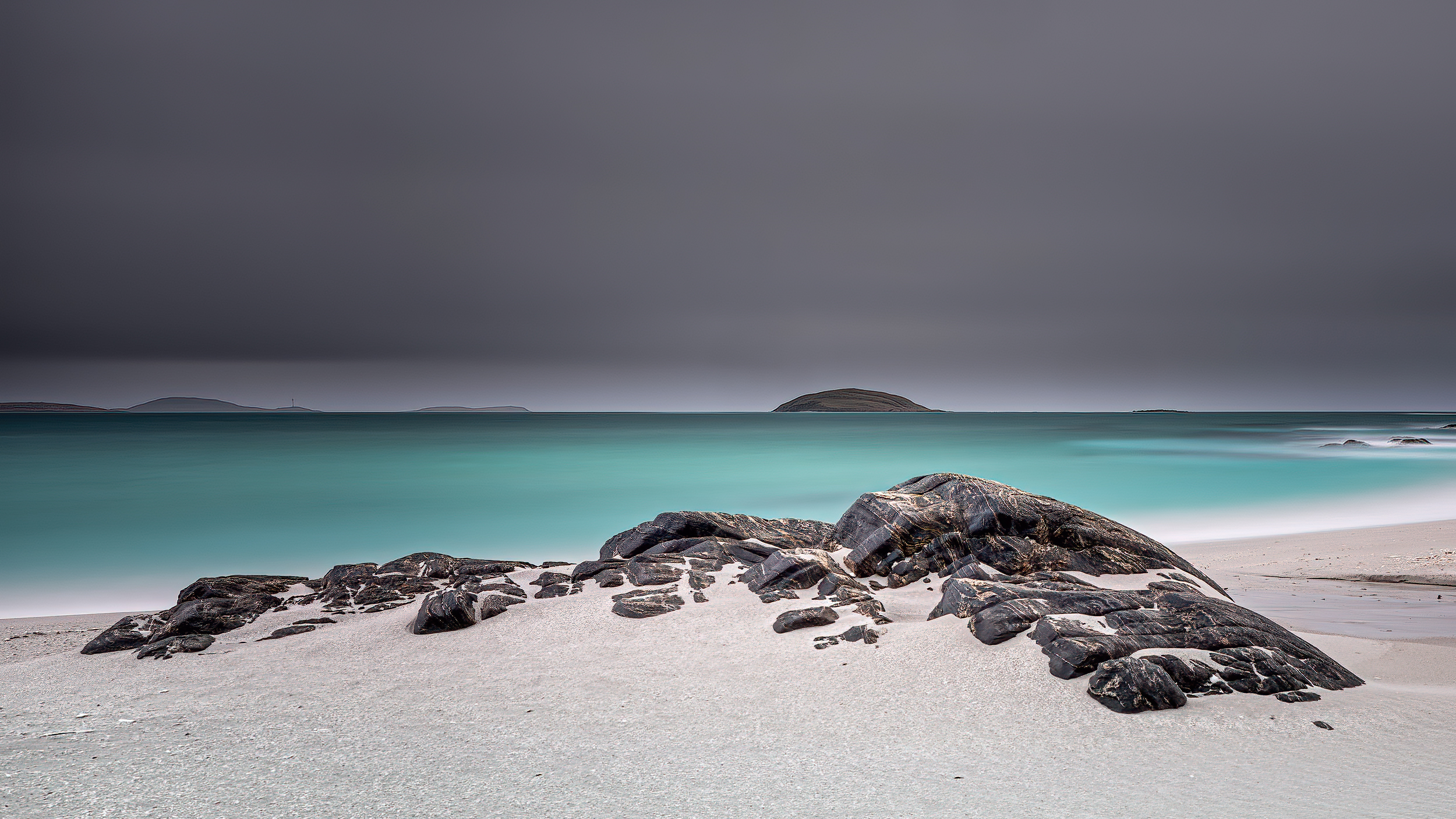
Time to Concentrate on Photography
Everyday life is full of distractions.
Work.
Family.
Emails.
Phones.
Appointments.
Things that need doing.
A residential workshop creates something increasingly rare:
Dedicated time.
For several days, photography becomes the priority. You can immerse yourself in the landscape, discuss photographs over dinner, review images in the evening and wake the following morning thinking about photography again.
That concentration can accelerate learning enormously.
Not necessarily because you are taking more photographs, but because you are spending more time thinking photographically.
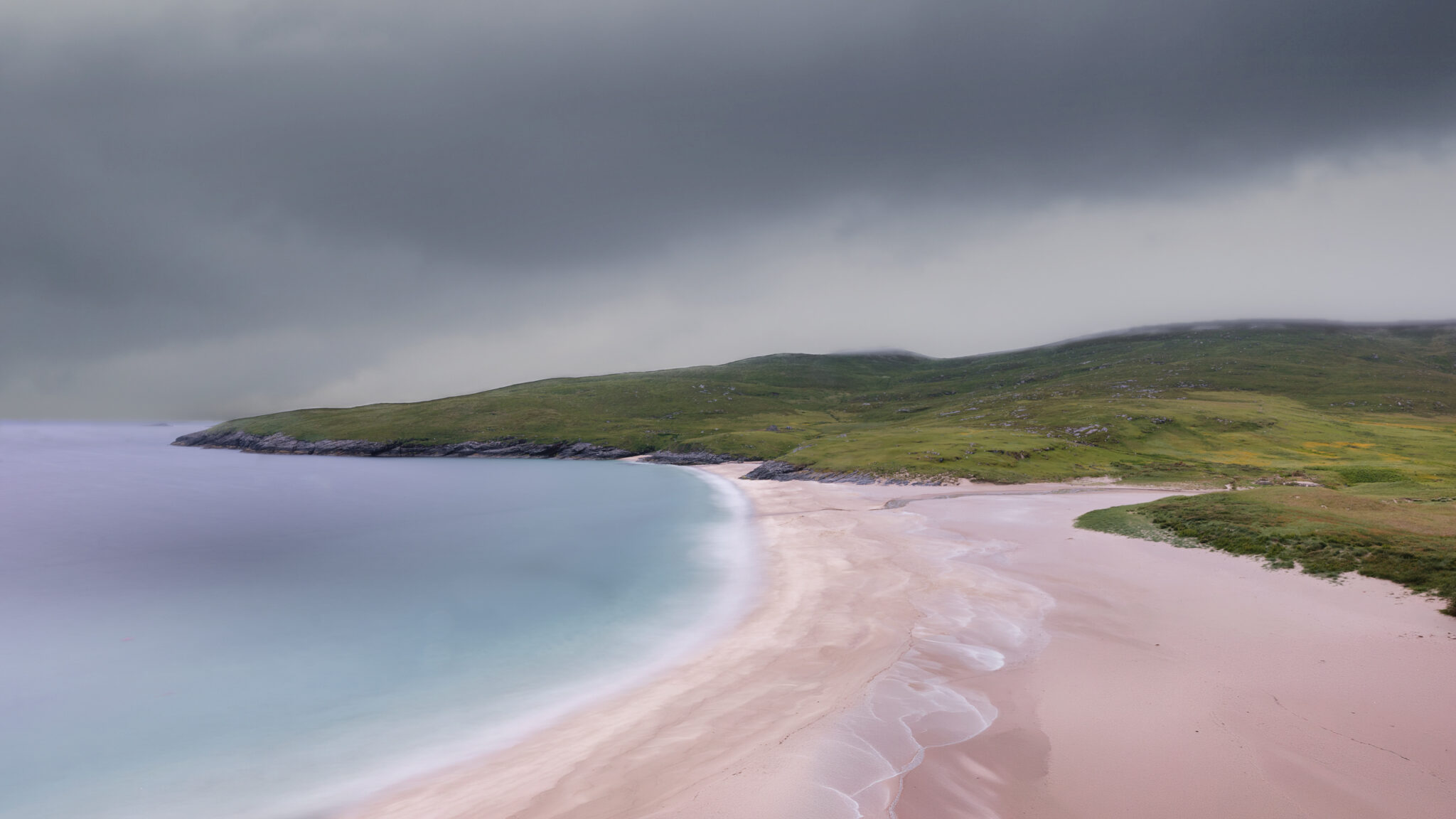
Learning From Other Photographers
One of the unexpected benefits of a workshop is often the other people.
Put five photographers in front of exactly the same landscape and you may end up with five completely different photographs.
Somebody notices something you walked straight past.
Another chooses a focal length you hadn’t considered.
Someone creates a square composition while everybody else is thinking wide.
That isn’t competition.
It is an opportunity to understand how subjective photography really is.
There isn’t one correct photograph waiting to be discovered.
There are countless possibilities.
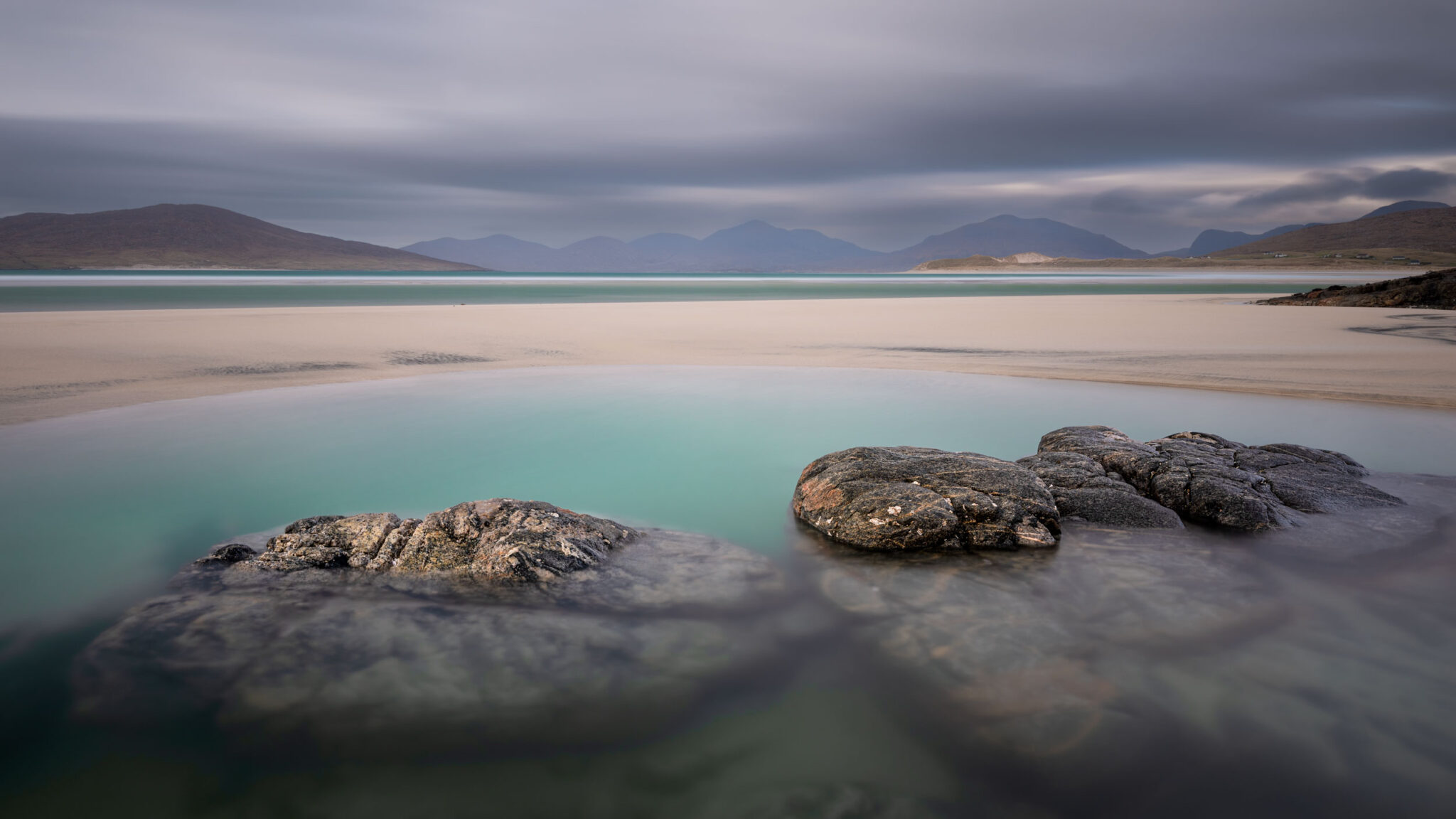
Building Confidence
Technical knowledge matters, but confidence is equally important.
Many photographers know far more than they think they do.
What they sometimes lack is the confidence to trust their decisions.
Should I move?
Should I wait?
Should I simplify this?
Is the composition too empty?
Would a longer lens work better?
A good workshop should never try to turn somebody into a copy of the photographer leading it.
Quite the opposite.
The aim should be to give people enough understanding and confidence to make their own decisions.
One of the most rewarding moments for me is when somebody stops asking “What would you do?” and starts saying, “I think I’m going to try this”
That’s progress.
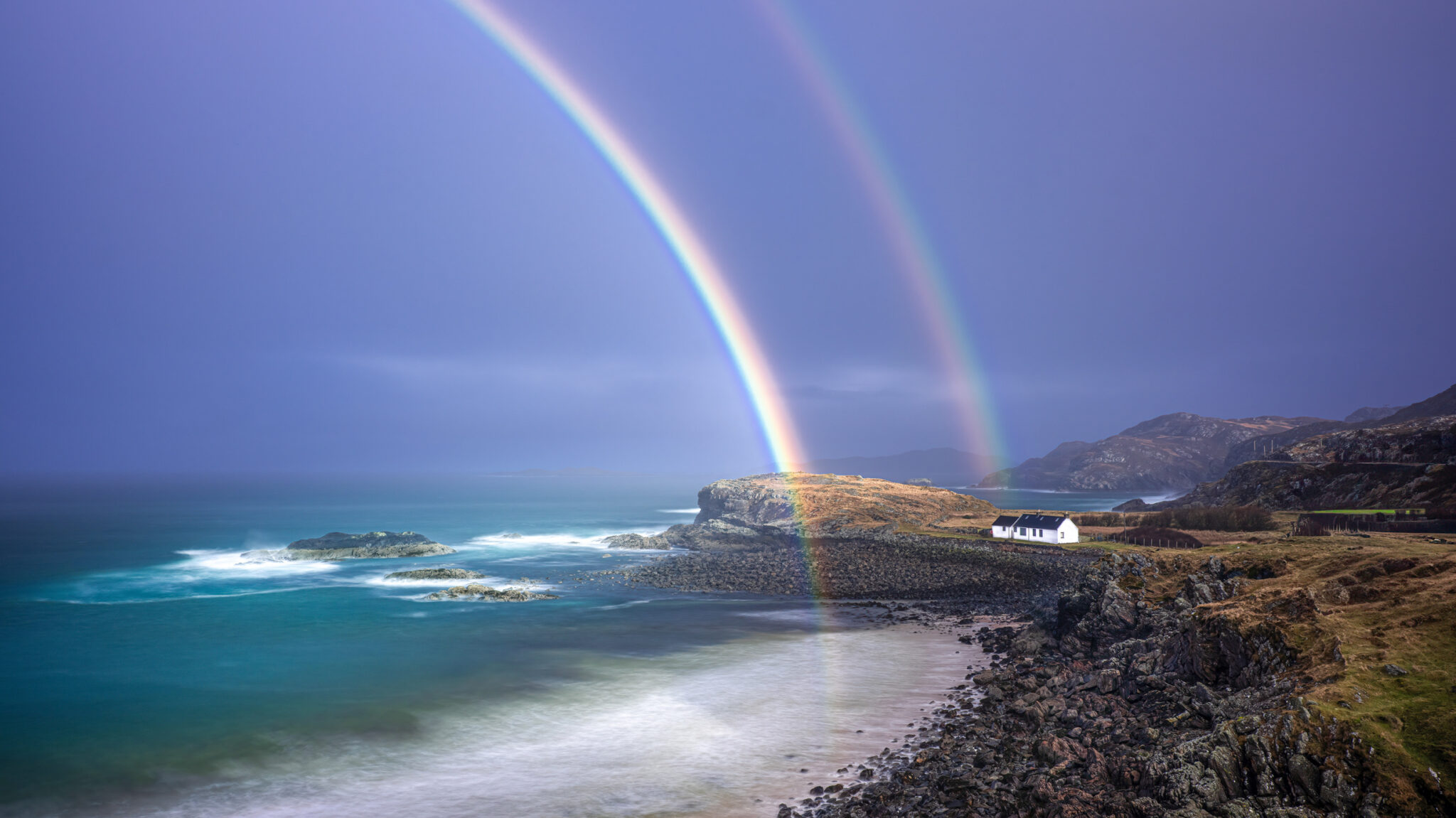
Permission to Experiment
A workshop should also be somewhere you can try things that don’t work.
Use the wrong lens.
Try the strange composition.
Photograph into difficult light.
Make a long exposure that fails completely.
Failure in photography isn’t wasted time.
It gives us information.
When we understand why something didn’t work, we become better equipped to recognise what might work next time.
The objective isn’t simply to return home with a collection of successful photographs.
It is to learn.
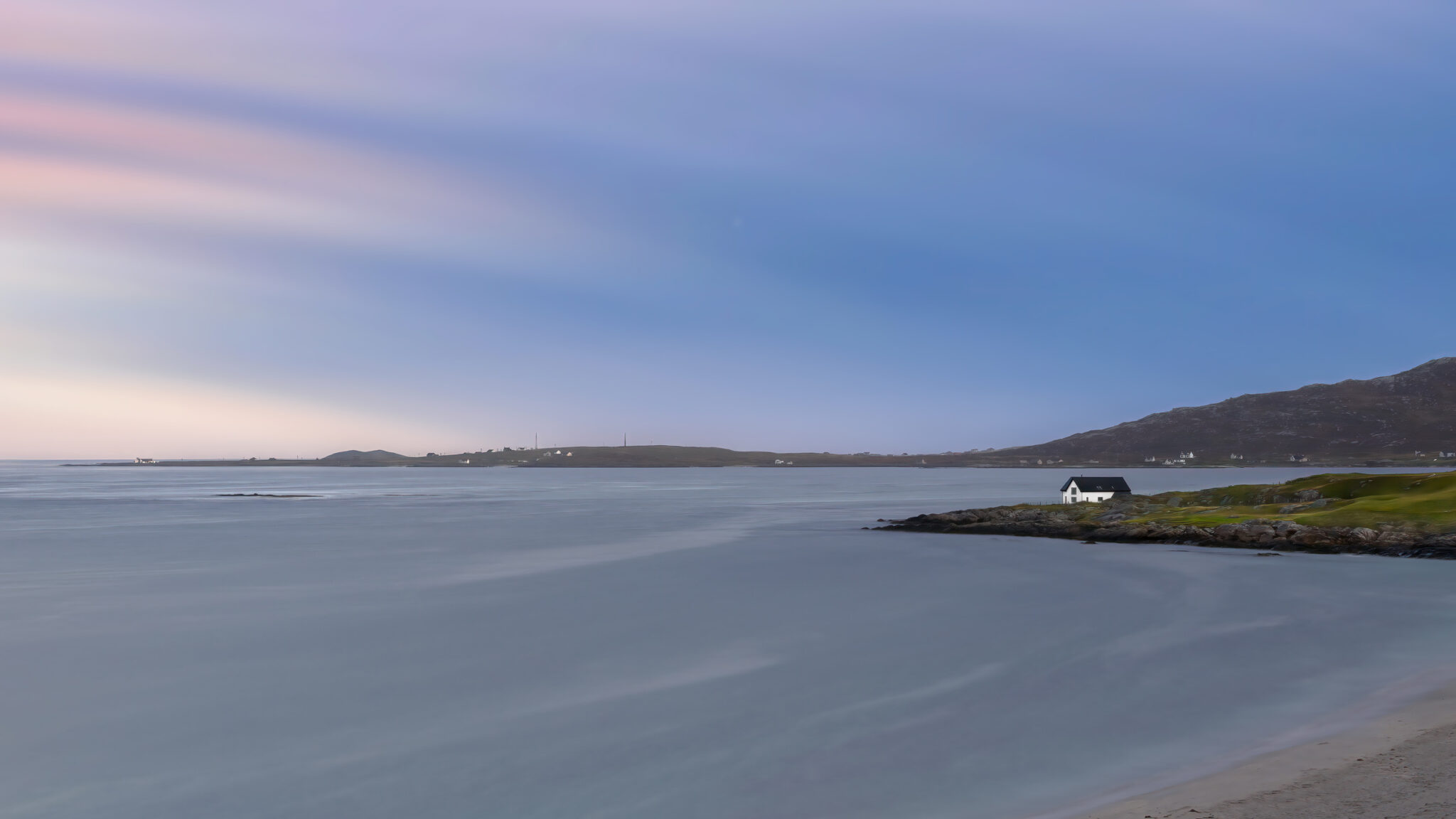
Bringing Something Home That Isn't a Photograph
Of course, I want people attending my workshops to make photographs they are proud of.
But I hope they return home with something more valuable than a full memory card.
Perhaps they notice compositions more quickly.
Perhaps they understand when to simplify.
Perhaps they become more patient or more confident experimenting with focal lengths, viewpoints and aspect ratios.
Or perhaps they simply stop putting themselves under so much pressure to produce a photograph every time they pick up the camera.
Because ultimately, the success of a photography workshop shouldn’t be measured only by the photographs you make while you were there.
It should be measured by the photography you make afterwards.
That, for me, is the real reason to go on a photography workshop.