There are certain places in landscape photography that we know before we ever visit them.
Kirkjufell in Iceland, Hamnøy in Lofoten, Delicate Arch in Utah, Mount Fitz Roy in Patagonia, or, closer to home, the Old Man of Storr and Luskentyre Beach.
We know the viewpoints. We know the foreground. We know where the mountain should sit within the frame. We probably know what focal length other photographers have used. And, if we’re particularly well prepared, we know where the sun will rise, when the tide will be right and which weather conditions might produce the photograph we have in mind.
Sometimes we even know exactly what photograph we want to take.
Because we’ve already seen it.
Hundreds, perhaps thousands of time.
Which makes me wonder:
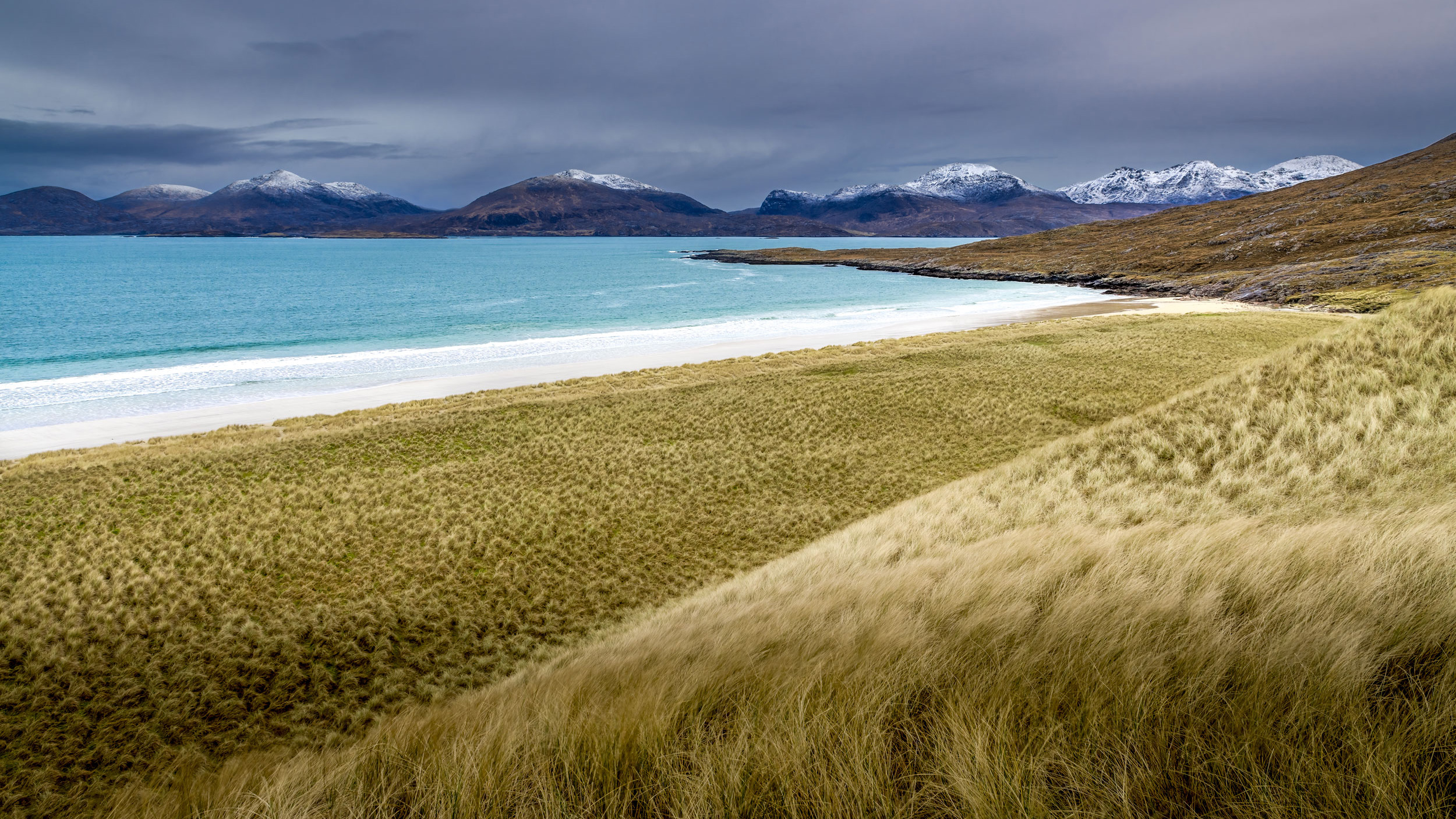
Are we photographing landscapes - or photographing other photographs?
It is a deliberately uncomfortable question.
Not least because I am very much part of the world I am questioning.
I earn part of my living taking photographers to some of the most photographed landscapes in Britain, so I’m certainly not going to pretend I’m somehow outside this conversation.
I photograph these places myself.
I love many of them.
I’ve stood at the familiar viewpoints. I’ve waited for the light. I’ve put my tripod into holes where I’m fairly certain hundreds of other tripods have stood before mine.
And I will do so again.
There is absolutely nothing wrong with photographing an iconic landscape.
But I do increasingly wonder whether knowing so much about a place before we arrive is beginning to influence not only where we photograph, but how we see.

We arrive with the photograph already in our heads
Photography has changed enormously during the years I’ve been doing it.
When I first started, discovering somewhere new really could mean discovering somewhere new.
Today, before travelling to almost anywhere in the UK, I can look at thousands of photographs of it.
Instagram. Facebook. Flickr. Google Images. Photography Websites. YouTube. Books. Magazines. Phone Apps.
I can discover precisely where other photographers stood.
I can see what the location looks like at sunrise, sunset, in snow, mist, rain and dramatic light.
I can find compositions that have been proven to work.
And therein lies the problem.
Because once we’ve seen a successful photograph of somewhere, it can become one of the reasons we want to visit in the first place. And once that image is in our heads, it can be remarkably difficult to unsee.
We arrive at the location carrying those photographs with us.
Instead of asking:
What do I see here?
We can unconsciously begin asking:
Where is that photograph I’ve seen?
Those are two very different questions.
One encourages exploration.
The other encourages replication.

The classic photograph
I don’t think there is anything inherently wrong with taking the classic photograph.
In fact, when I’m running workshops, I will often show somebody the recognised composition.
Why wouldn’t I?
If someone has travelled hundreds or perhaps thousands of miles to photograph a landscape they’ve wanted to see for years, I’m certainly not going to tell them that they can’t take the photograph that inspired them to come.
Take it.
Enjoy it.
Put the tripod exactly where countless other photographers have stood before you if that’s the photograph you want.
But perhaps don’t stop there.
Because the classic composition should be the beginning, rather than the end.
Once you’ve taken that photograph, something rather liberating happens.
You no longer need it.
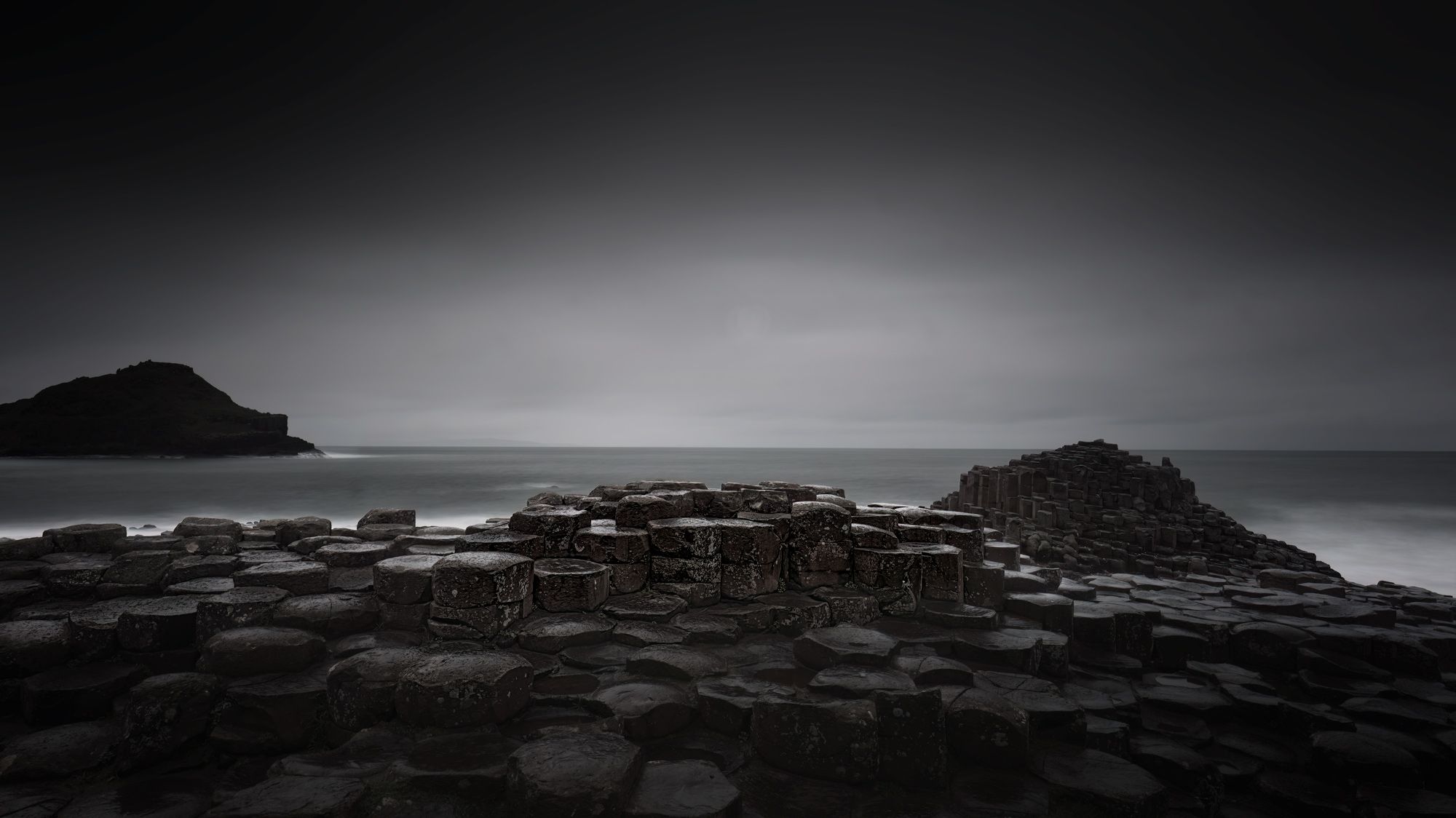
Once you’ve made that familiar photograph, perhaps that’s when the real exploration can begin.
Forget for a moment what you came to photograph and allow yourself to become more curious about what else is there.
Walk away from the obvious viewpoint. Look in the opposite direction. Notice the smaller things and the quieter relationships that are so easily overlooked when all our attention is fixed on the grand view.
Perhaps the mountain doesn’t need to dominate the frame. Perhaps it doesn’t need to be in the photograph at all.
Give yourself time to notice how one shape relates to another, how a patch of light changes the balance of the scene, how a small area of separation can suddenly bring order to apparent chaos, or how leaving something out can say more than including it.
Sometimes the most interesting photograph isn’t waiting at the recognised viewpoint. It is hiding somewhere around the edges of it.
And perhaps that is when a landscape that has been photographed thousands of times begins to feel exciting again.
Not because the landscape has changed.
Because you have stopped looking for the photograph you already know and started looking for the one that only you might see.
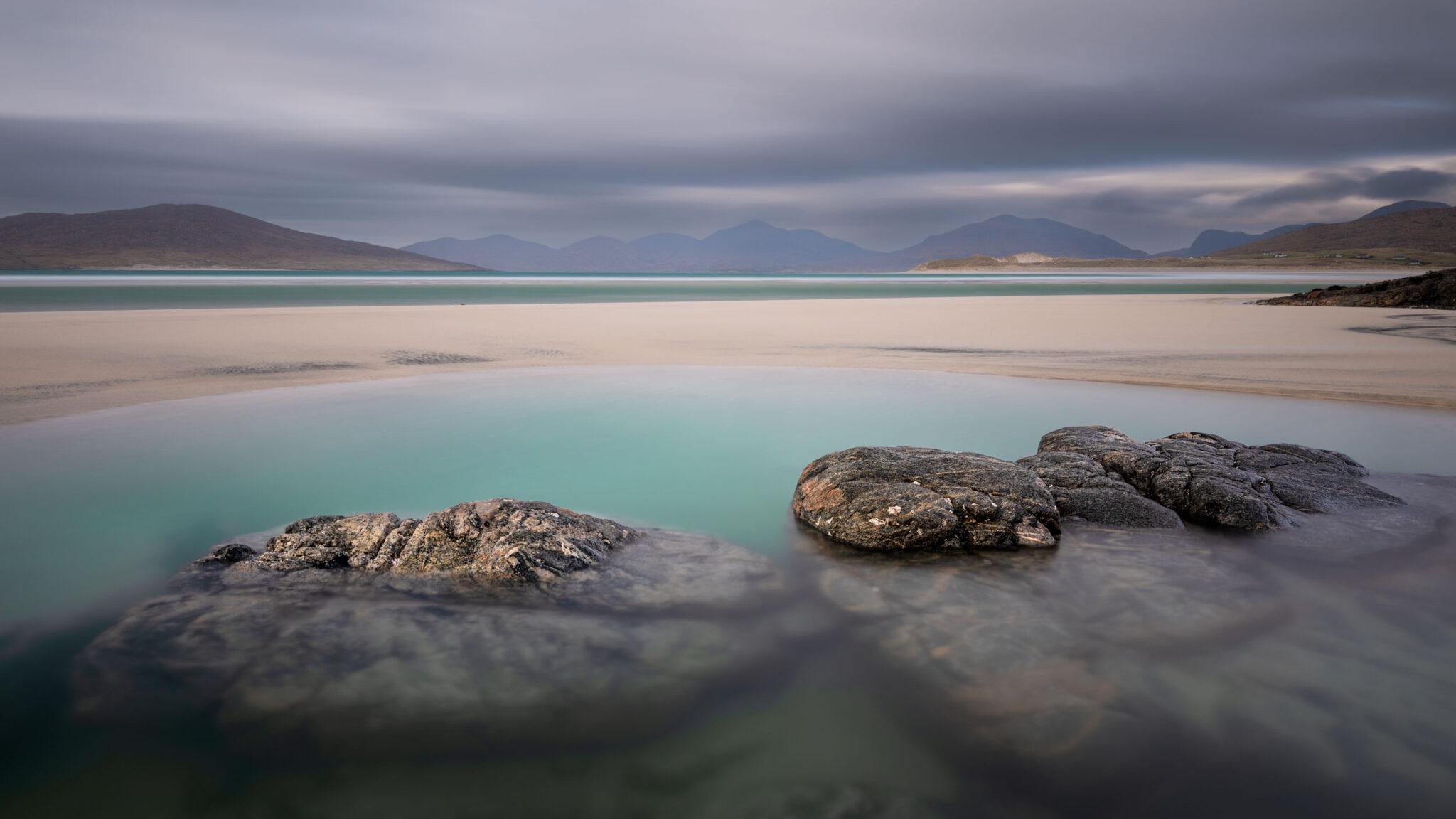
The influence of social media
Social media has undoubtedly opened up extraordinary opportunities for photographers. We can discover work being made on the other side of the world, find places we might otherwise never have known existed, exchange ideas and be inspired by photographers we may never actually meet.
But I wonder whether all that exposure has also created something of a visual feedback loop.
A photograph of a particular location becomes popular and inevitably more photographers are drawn there. Similar compositions begin to appear, some of those become successful too, and gradually we become familiar not just with the landscape itself, but with how that landscape is apparently supposed to be photographed.
Certain viewpoints become established. Certain compositions become familiar. Sometimes it can almost feel as though there is a recognised photograph waiting for us when we arrive.
And perhaps social media algorithms only reinforce this. The familiar is easy to understand. Dramatic light, a spectacular mountain, a reflection in perfectly still water or a fiery sunset can grab our attention immediately. There is nothing wrong with any of those things – I enjoy photographing them as much as anyone – but I do wonder whether constantly seeing the same visual language gradually influences our own ideas about what a successful landscape photograph should look like.
The quieter photograph may ask a little more of us. So might the strange one, the ambiguous one, or the photograph that doesn’t reveal everything within the first few seconds. It may not stop somebody scrolling quite so quickly, but that doesn’t necessarily make it a less interesting photograph.
Perhaps the danger is that, without ever consciously deciding to do so, we begin making photographs that fit an established idea of what landscape photography is supposed to look like.
And that’s the part I find particularly interesting.
Because surely photography, at its most rewarding, isn’t about showing people what a landscape is supposed to look like.
It’s about showing them how we saw it.
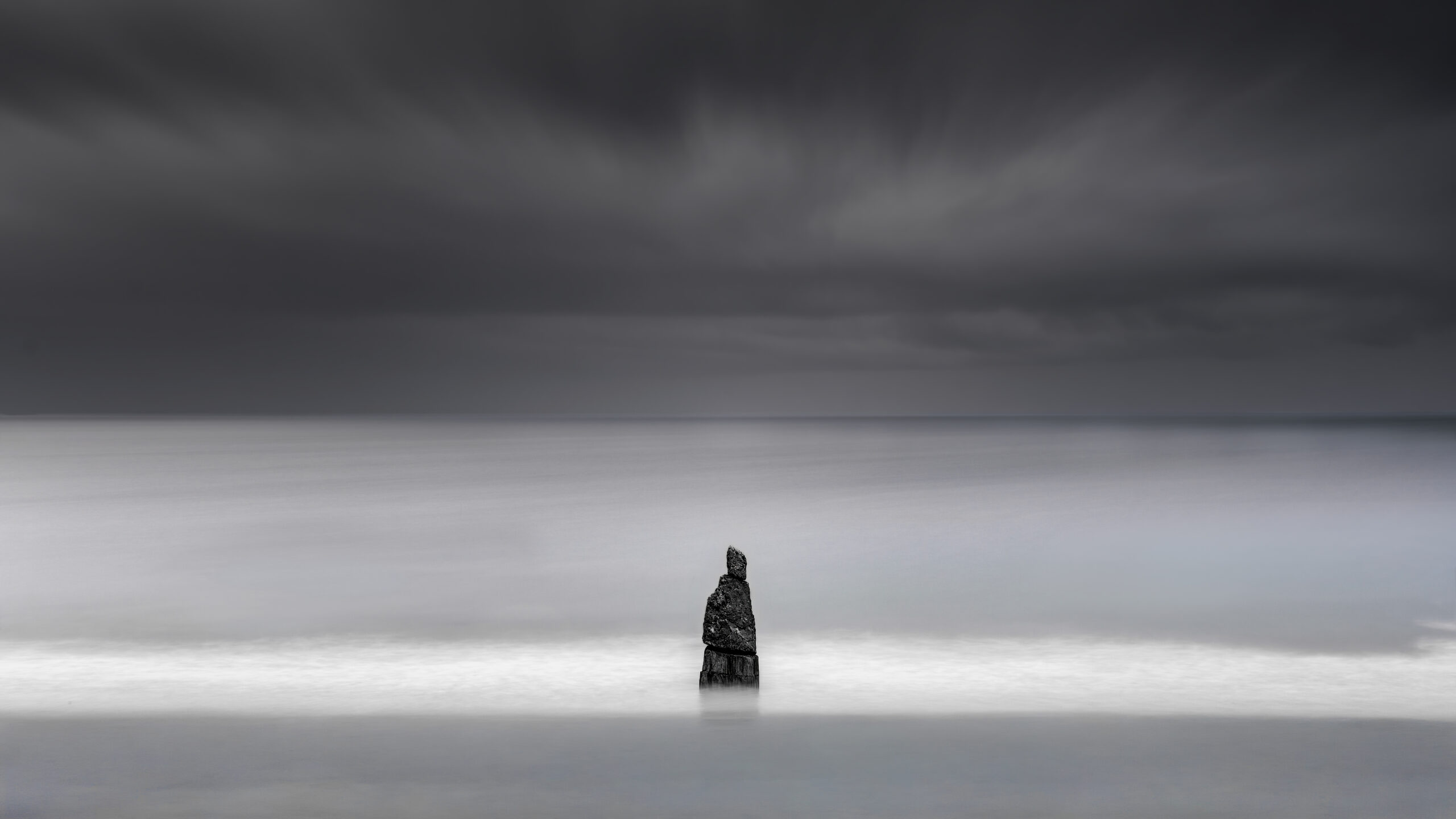
Competitions may play a part too
And perhaps this influence isn’t confined to social media.
Photography competitions and camera clubs can shape the way we see as well. Spend enough time looking at successful competition images and inevitably you begin to notice certain qualities appearing again and again – technical excellence, strong composition, dramatic light, impact and that immediate visual appeal that makes a photograph stand out.
They can all be ingredients of a wonderful photograph.
But I do wonder what happens when we become too conscious of what tends to succeed.
Without really noticing it, perhaps we begin making photographs with an audience sitting somewhere in the back of our minds. We start wondering how an image might score, what a judge might say about it, whether it has enough impact, whether people will understand it, or perhaps whether it will attract attention when we eventually put it online.
None of those thoughts is particularly unreasonable. Most of us want our photographs to be appreciated.
The danger comes when those voices become louder than our own.
Because somewhere amongst all the thoughts about judges, competitions, likes and other people’s opinions are two much simpler questions that are surprisingly easy to forget.
Do I actually like the photograph?
And perhaps more importantly:
Does it feel like mine?
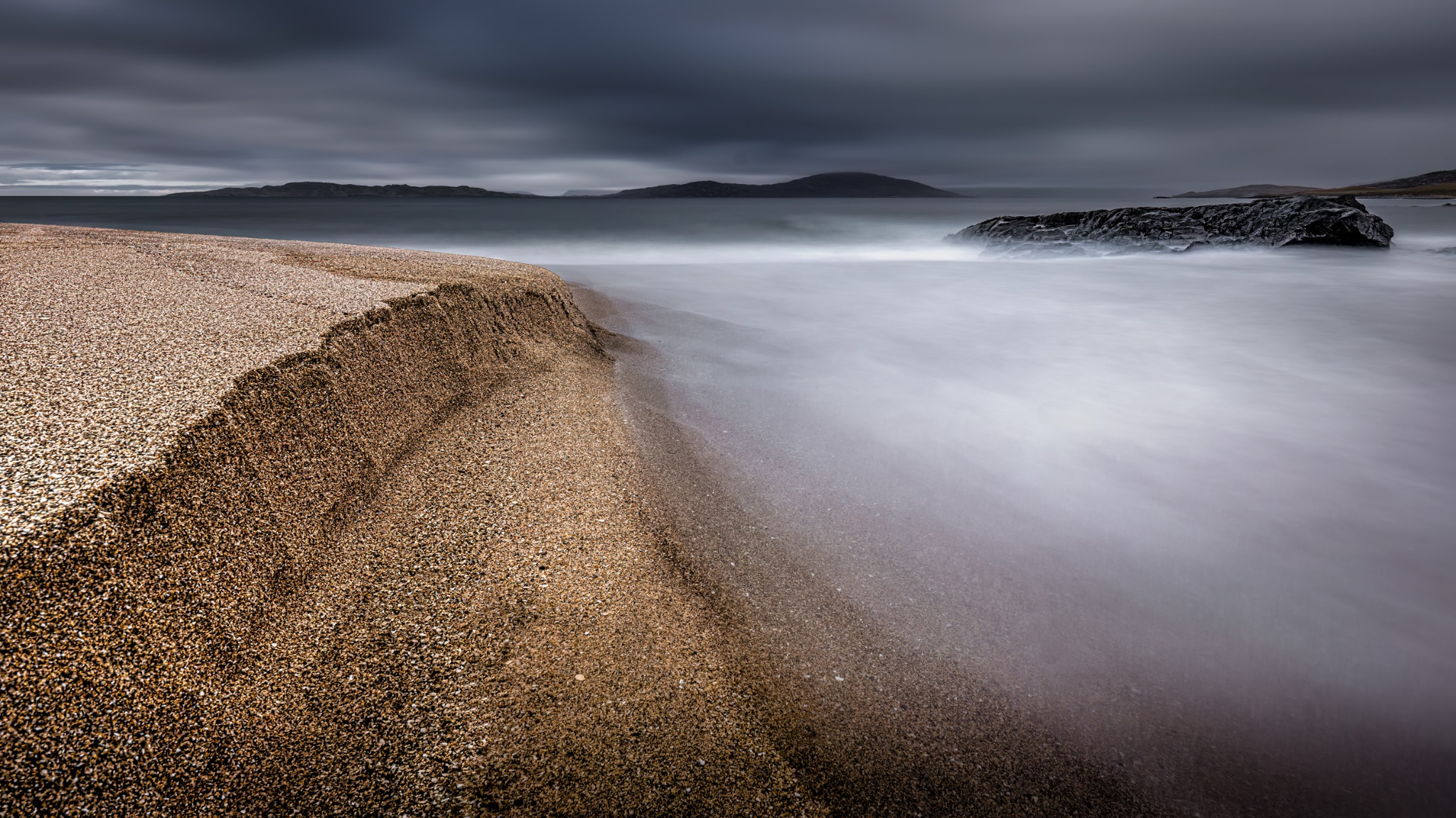
Workshops aren't exempt either
Workshops aren’t entirely innocent in all of this either, and as someone who makes a living leading them, it’s something I think about a great deal.
When you know a location well, you naturally know where photographs have worked before. You know the viewpoints, where the light might fall, which compositions have proved successful and where previous guests have made photographs they’ve been delighted with. Sharing some of that knowledge is an important part of what I do, and sometimes simply helping someone find a starting point is exactly what they need.
But I think there is an important difference between helping somebody to see and simply showing them where to put their tripod.
I could take five photographers to a location, point to exactly the same spot, suggest the same focal length and show them the composition. There’s every chance they would all go home with a perfectly good photograph.
But have I really helped them become better photographers?
Increasingly, I’d rather give people a starting point and then encourage them to explore for themselves. We might talk about balance, separation, negative space, simplifying a scene or the relationships between different elements in the landscape, but ultimately I want the decisions to become theirs.
Move around. Question the obvious composition. Try something that might work. Notice something I haven’t noticed.
In fact, one of the most rewarding moments for me on a workshop is when somebody shows me a photograph and I thin, I didn’t see that.
Because if five photographers spend an hour in exactly the same landscape, I’d much rather they came back with five different interpretations than five slightly different versions of the same photograph.
For me, thats where a workshop becomes much more interesting. It stops being about being shown where the photograph is and starts becoming about learning how to find your own.
Perhaps we're planning too much
Planning has completely changed the way we approach landscape photography. We can check tides, follow the movement of the sun and moon, study cloud forecasts, monitor aurora activity and even work out where the light might fall across a particular mountain at a particular time of day.
It’s extraordinary really, and I use many of these tools myself. They help us make better decisions and, particularly when travelling any distance, there is an obvious advantage in arriving somewhere with at least some idea of what might happen.
But I sometimes wonder whether there is a contradiction in all of this.
The better we become at predicting what might happen, the easier it is to arrive with a photograph already formed in our minds.
If I’ve decided exactly where I’m going to stand, what lens I’m likely to use, where the sun will appear and roughly what I want the finished photograph to look like, I have undoubtedly planned very well.
But how much room have I left for discovery?
Some of my most interesting photographs have come from occasions when the landscape simply refused to cooperate with the plan. The light didn’t arrive, the tide wasn’t quite where I wanted it, the weather changed or the mountain I had travelled to photograph disappeared completely behind cloud.
At the time, those moments can feel frustrating. But they also force us to abandon the photograph we thought we were going to make and start paying attention to the landscape that is actually in front of us.
And perhaps that’s no bad thing.
Because instead of searching for the photograph we expected to find, we’re forced to slow down, become curious again and actually look.
Not at an app. Not at the composition we researched before leaving home. Not at somebody else’s photograph on our phone.
At what is really there.
And sometimes what is really there turns out to be far more interesting than what we had planned.

What happens when nothing spectacular happens
Perhaps things become even more interesting when the landscape doesn’t give us what we are hoping for.
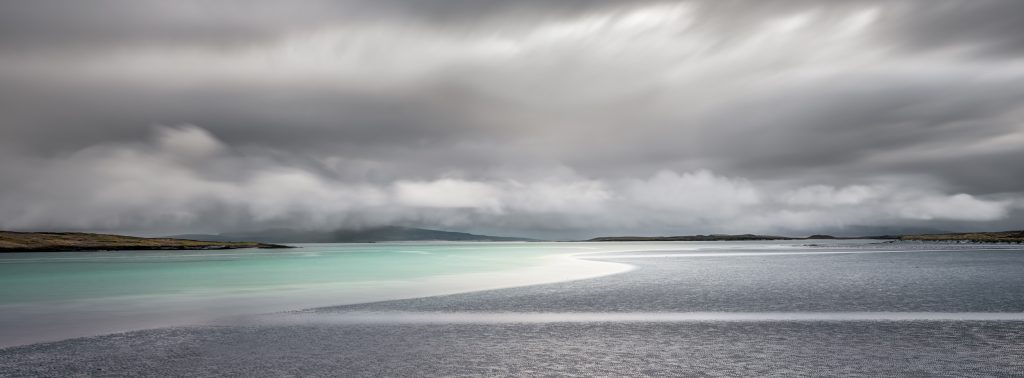
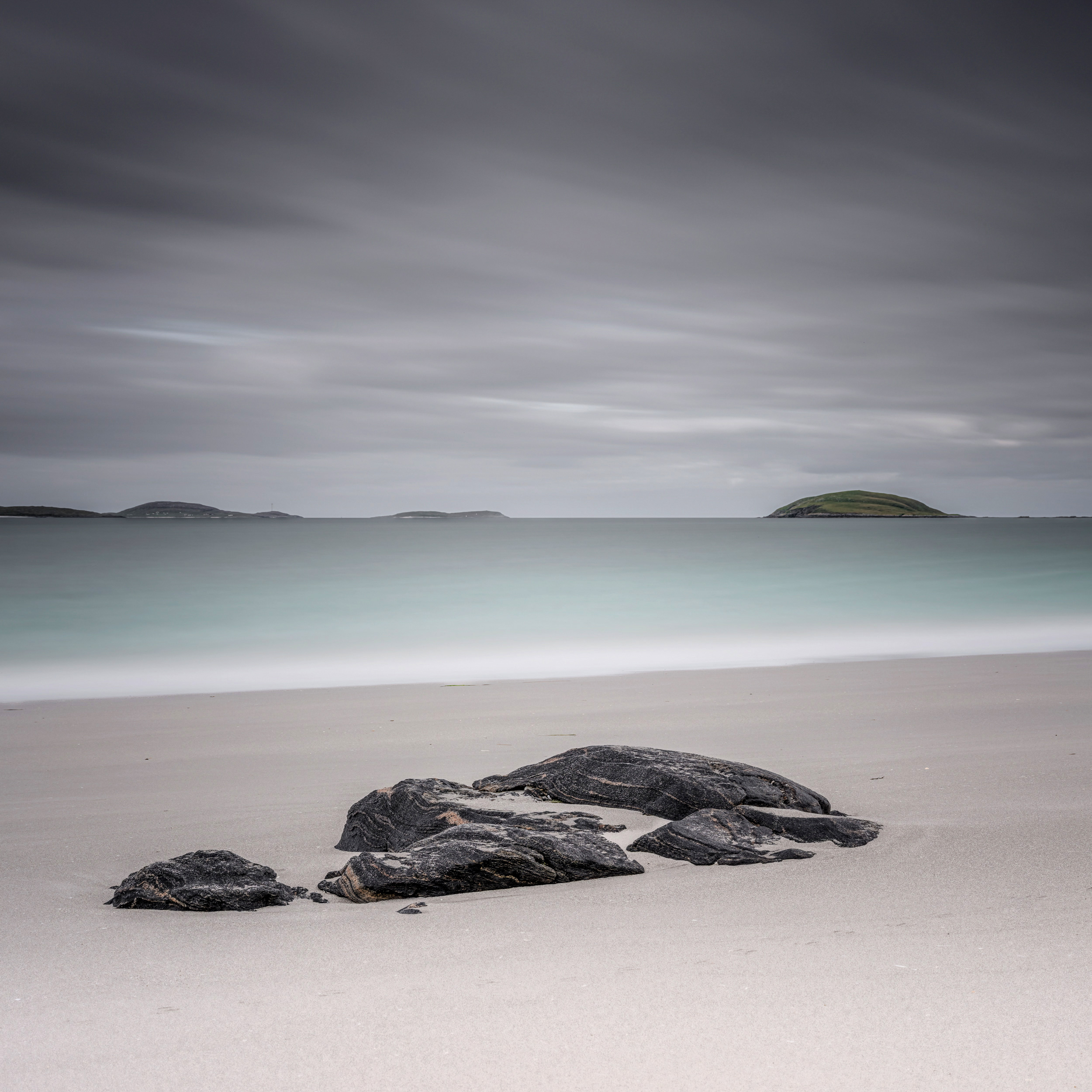
Imagine arriving at Luskentyre and there is no dramatic light, no spectacular sky, no shafts of sunlight breaking through the clouds and certainly no rainbow conveniently appearing over the hills. The light is soft, the sky is grey and, at first glance, there doesn’t appear to be very much happening at all.
It’s very easy in those circumstances to decide that there isn’t a photograph to be made.
But I’m increasingly drawn to exactly these kinds of conditions, because once the landscape stops putting on a show, we have to start working a little harder. We have to slow down, look more carefully and begin noticing the things that might otherwise have been overwhelmed by the drama.
Perhaps, it’s the gentle curve of water across the sand, a subtle change of tone, the relationship between the distant hills and the sea, or a solitary figure surrounded by an enormous amount of empty space. We begin noticing shape, texture, balance and the quiet relationships between things rather than simply waiting for the light to provide the photograph for us. There is something about these quieter moments that I find increasingly rewarding. They don’t announce themselves in quite the same way and they may not provide the immediate rush of excitement when we first arrive, but perhaps thats exactly why they encourage us to look a little harder.
And when we do, the photographs we make can become quieter too. More restrained. More considered. Perhaps even more personal.
Because when there is nothing spectacular demanding that we photograph it, what we choose to notice begins to say something about us.
Finding your photograph
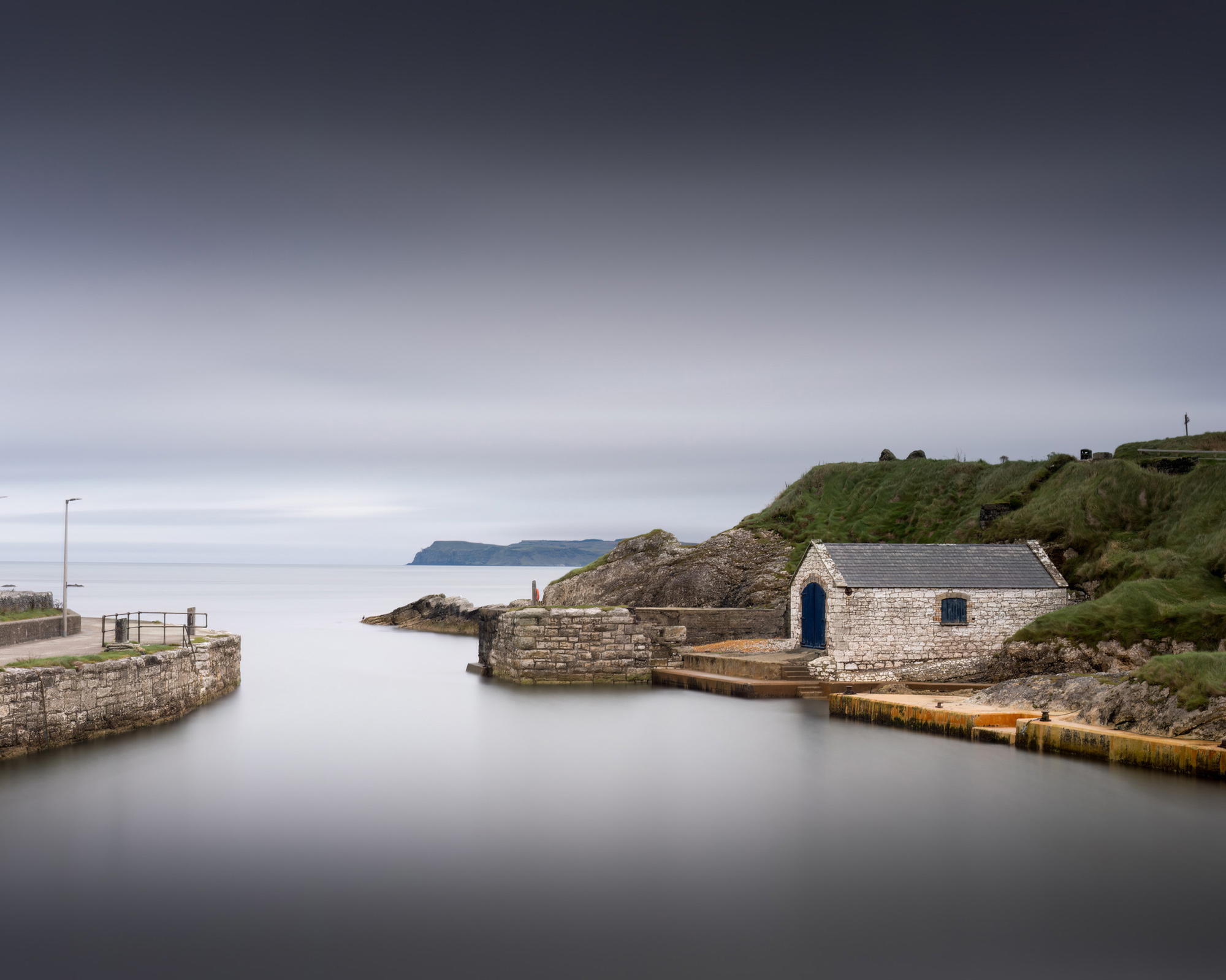
I don’t think originality means avoiding places simply because they have been photographed before. If that were the case, we’d soon run out of mountains, beaches, trees and coastlines to point our cameras at.
The subject doesn’t have to be original.
The response can be.
Two photographers can stand beside one another in exactly the same landscape and see completely different possibilities. One may be drawn to the light, another to shape or space. One might reach for a wide-angle lens whilst the other isolates a tiny part of the landscape with a telephoto. One sees the mountain, another becomes interested in the empty space around it.
Neither approach is right or wrong. They’re simply different ways of seeing.
And perhaps that’s where our own photographic style really begins. Not with presets, processing techniques or trying to manufacture a recognisable look, but through the choices we make repeatedly – what attracts our attention, what we leave out, where we stand, the light that interests us and even the moments when we decide not to take a photograph at all.
Over time, those choices begin to add up.
And eventually, perhaps without even realising it, the photographs start to look less like the place and more like the photographer.
Maybe we need to get lost again
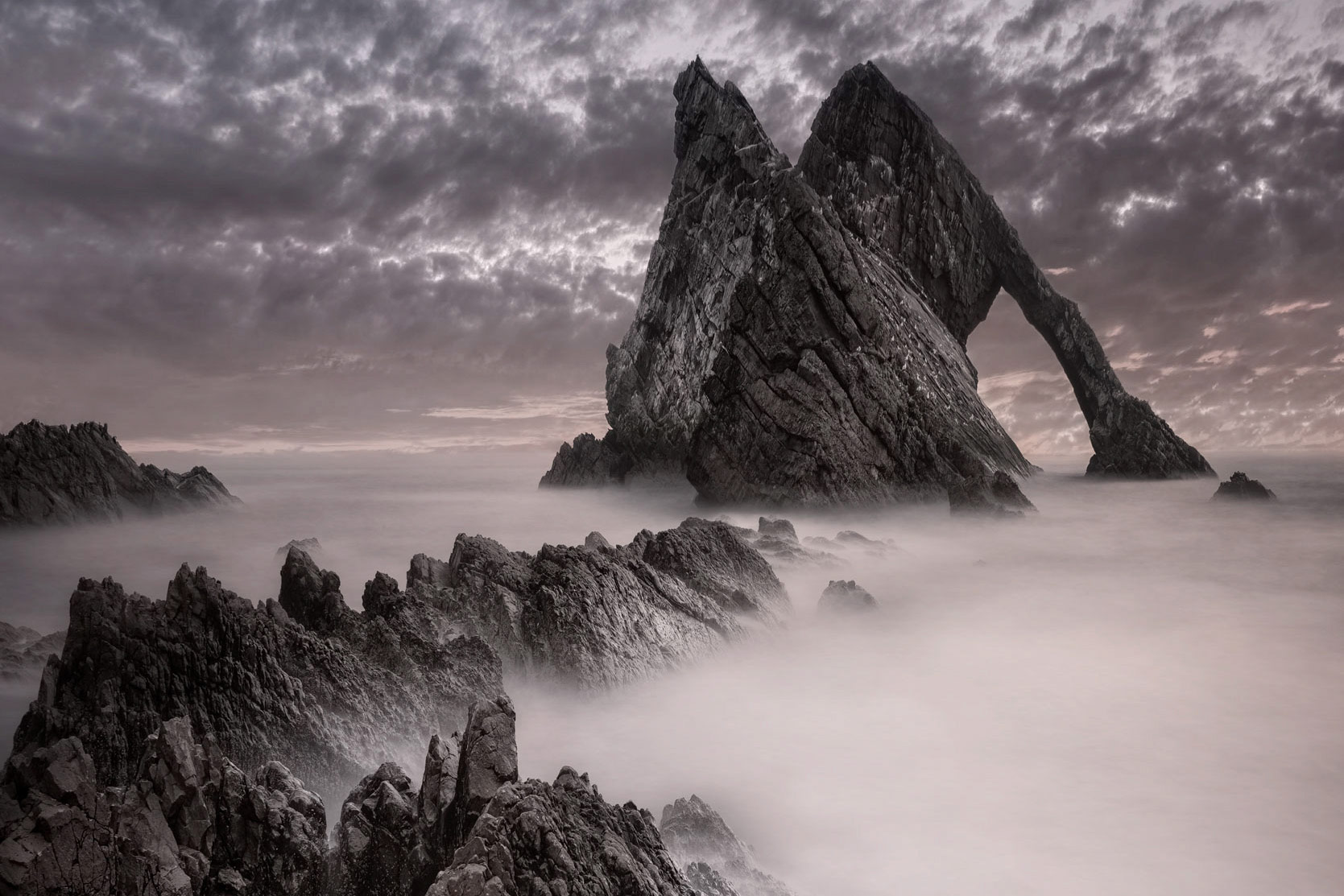
Perhaps occasionally we need to get lost again. Not literally, preferably, but photographically.
To arrive somewhere without knowing exactly what we’re going to photograph, to wander a little, make mistakes and spend more time looking before reaching for the camera. There is something wonderfully liberating about standing in a beautiful landscape and not immediately knowing where the photograph is, because that’s when we have to start making our own decisions.
I’m certainly not suggesting we should stop visiting famous locations. I won’t stop photographing them and I certainly won’t stop taking workshop guests to them. I’ll still make the classic photograph when I want to.
But once I’ve made it, perhaps the most important question I can ask is:
What else is here?
Maybe originality isn’t about finding landscapes that nobody has photographed before. Perhaps it’s about finding something of ourselves in landscapes that have been photographed a thousand times.
Because if we all arrive having seen the same photographs, stand in the same places and wait for the same light, we probably shouldn’t be surprised when landscape photography begins to look rather predictable.
So make the photograph you came for. Then forget it for a while. Wander, look around and allow yourself to see what else might be there.
And ask yourself one final question.
Am I photographing the landscape in front of me – or am I photographing somebody else’s photograph?