
The Biggest Transformation is Already Underway
Landscape Photography is changing.
In many ways it is changing faster than at any point in its history.
For as long as photography has existed, every generation has believed it was witnessing the biggest technological revolution the medium had ever seen.
Film became digital.
Manual focus became autofocus.
Darkrooms became Lightroom.
Thirty-second exposures became possible in broad daylight.
Drones gave us viewpoints that once required helicopters.
Today’s cameras can recognise eyes, remove noise almost completely, stabilise handheld exposures for ridiculous lengths of time and recover detail from shadows that once disappeared forever.
Each advance has made photography easier.
And, in many ways, better.
But every improvement has also quietly removed one of the small challenges that once forced photographers to become better observers.
Now we stand on the edge of another revolution.
The AI Revolution
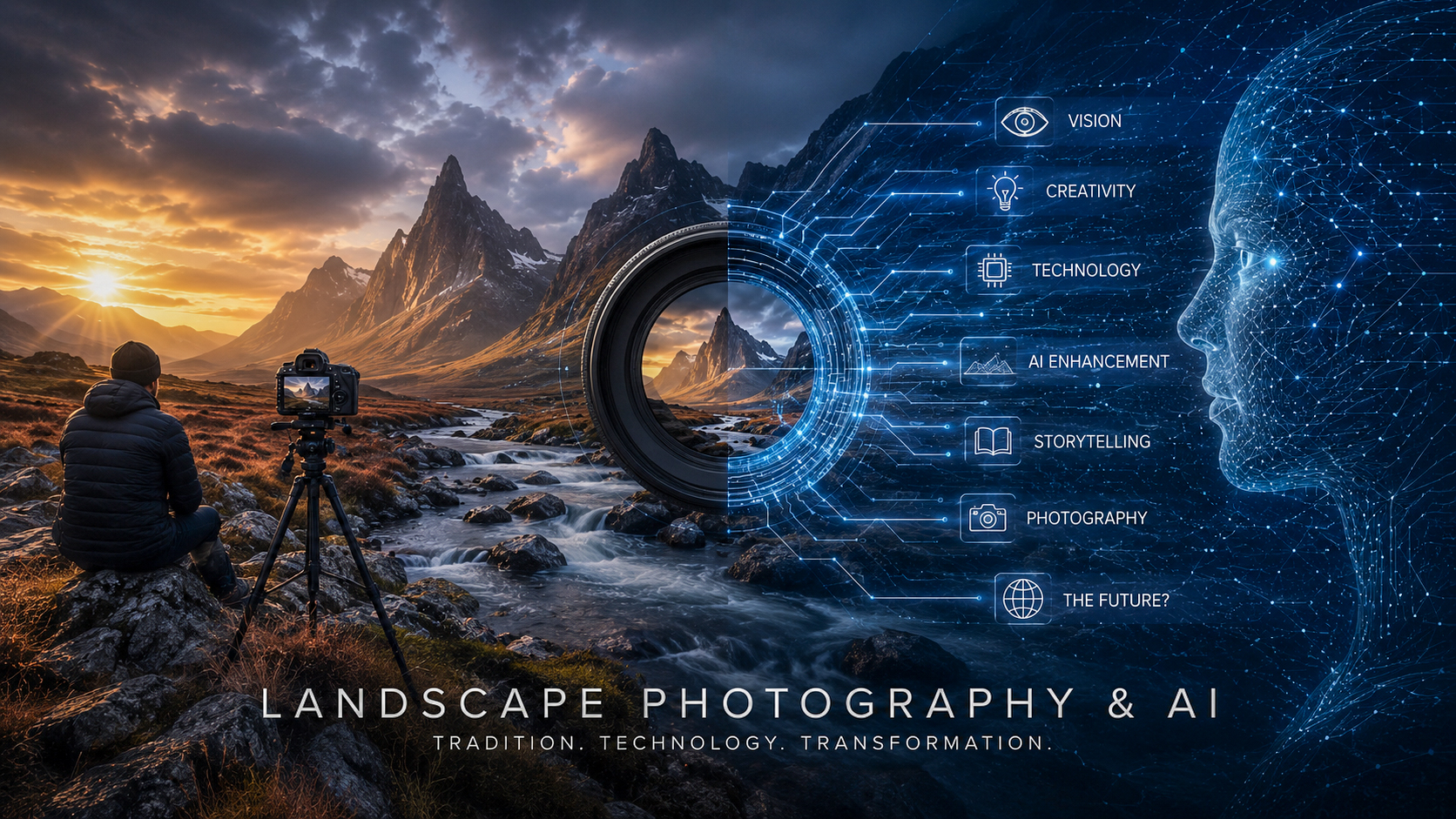
And perhaps, for the first time, we have to ask ourselves a very different question
Not…
“What can technology do for photographers?”
But…
“What should photographers still do for themselves?”
Photography Has Never Stood Still
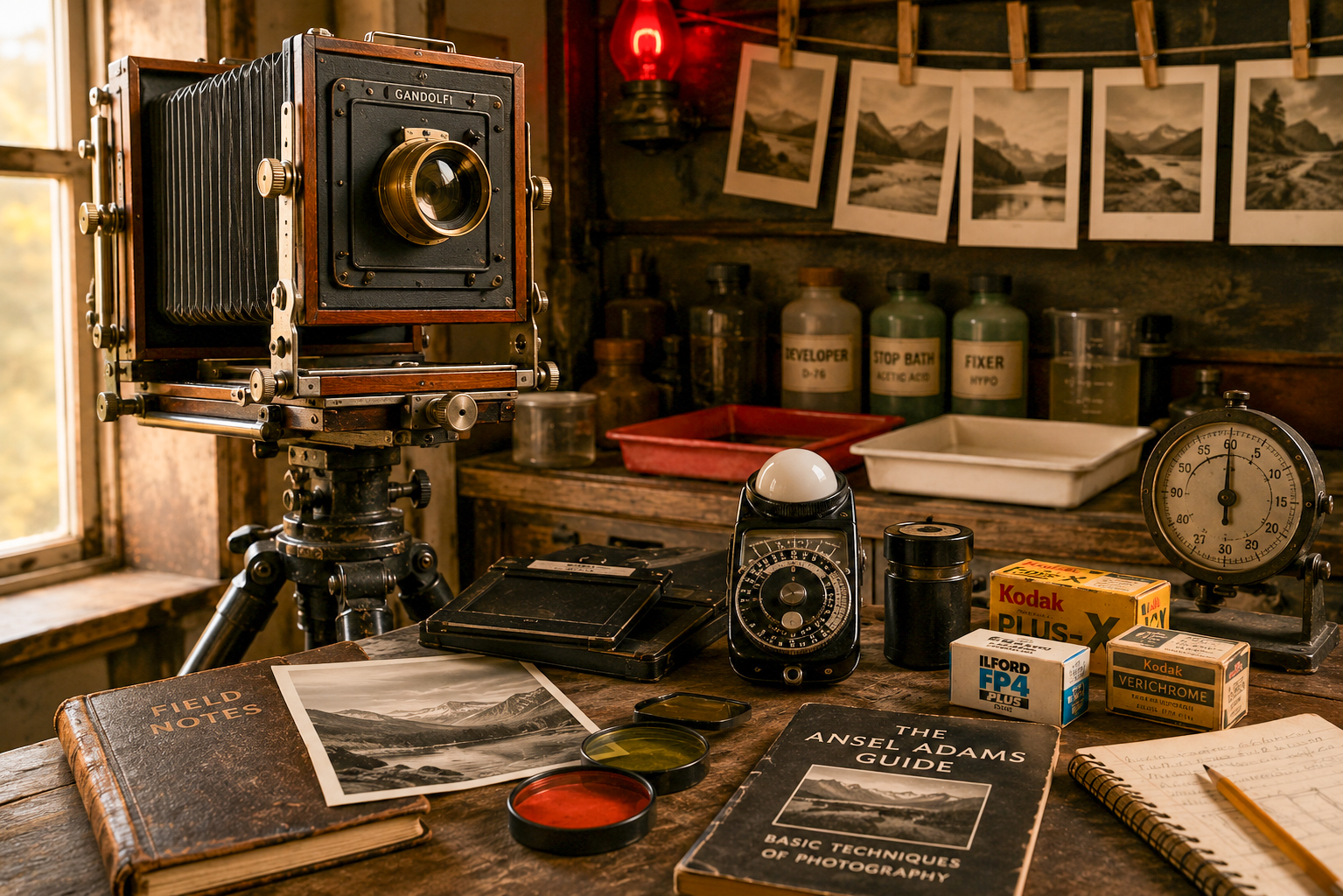
When I first started taking photographs, everything was different.
Film had to be processed.
I had no idea whether I’d got the shot until days later.
Autofocus was unreliable, I had to carry a light meter around me , digital cameras didn’t exist and editing meant spending hours in the darkroom rather than sitting in front of a camera.
Every generation of photographers has watched the technology change and every generation has wondered whether photography was losing something along the way.
Yet somehow it has always survived.
Not because cameras stopped evolving.
And neither did photographers.
Thats’s why I don’t see artificial intelligence as the end of landscape photography.
I see it as the next chapter.
Cameras Are About to Become Astonishingly Clever
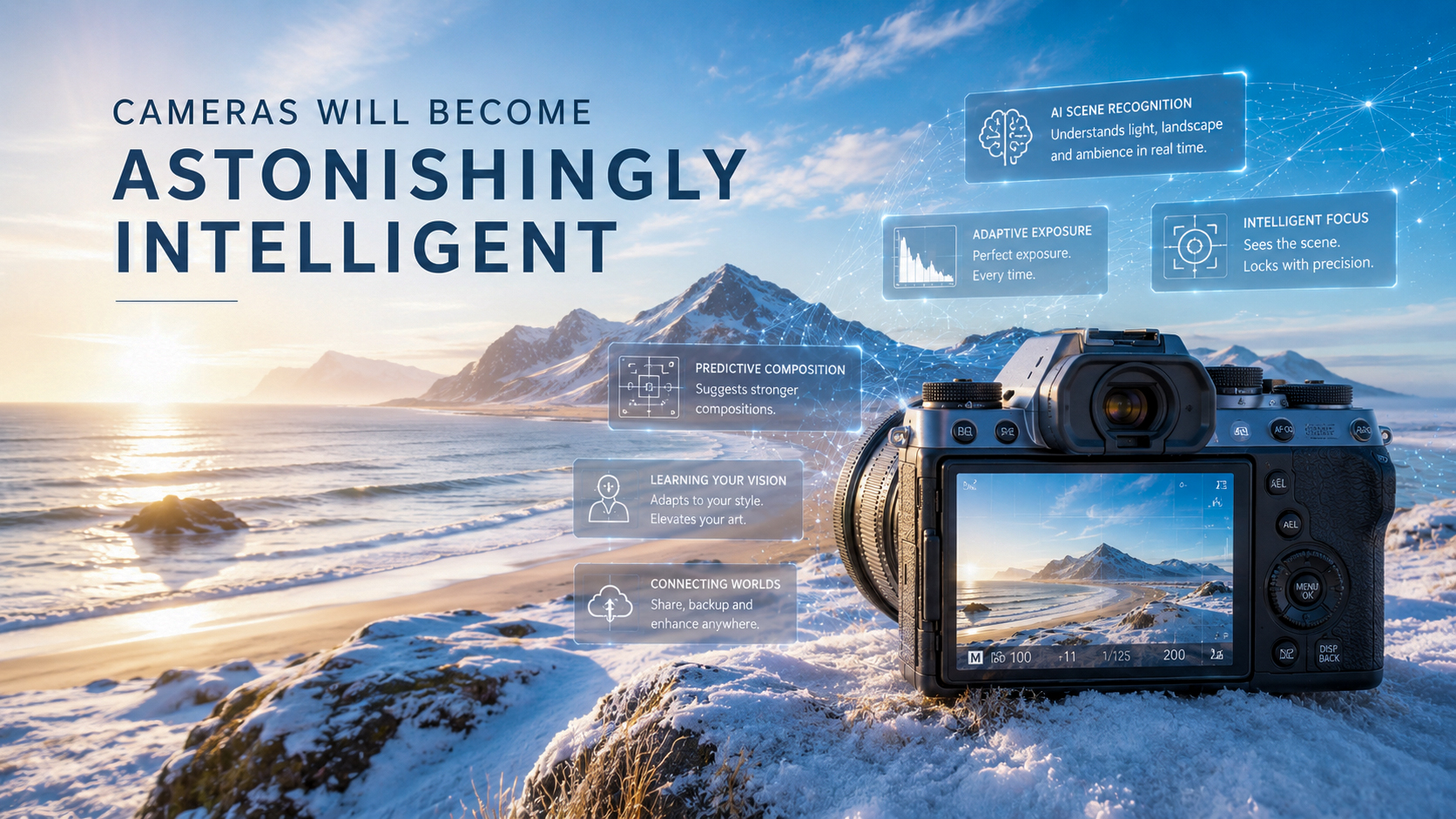
If you’ve bought a camera in the last few years you’ll already know just how intelligent they’ve become.
They recognise birds, animals, people and vehicles. They focus faster than we ever could. They can stabilise images at shutter speeds that once seemed impossible.
But I don’t think we’ve seen anything yet.
I suspect our cameras will become astonishingly intelligent.
They’ll suggest compositions.
Recommend focal lengths.
Blend exposures automatically.
Remove distractions before we’ve even looked at the image.
Maybe they’ll even suggest where we stand.
Part of me finds that incredibly exciting.
Another part of me wonders whether we’ll slowly begin relying on technology to make decisions that photographers once made for themselves.
Editing is Changing Beyond Recognition

When Perfection Becomes Normal
One thing I do feel certain about is this.
The internet is and will become flooded with beautiful photographs.
Some will be real.
Some won’t.
Many of them will be impossible to tell apart.
At first we’ll be amazed.
But I suspect that won’t last
Because beauty has a funny habit of becoming ordinary once we see enough of it.
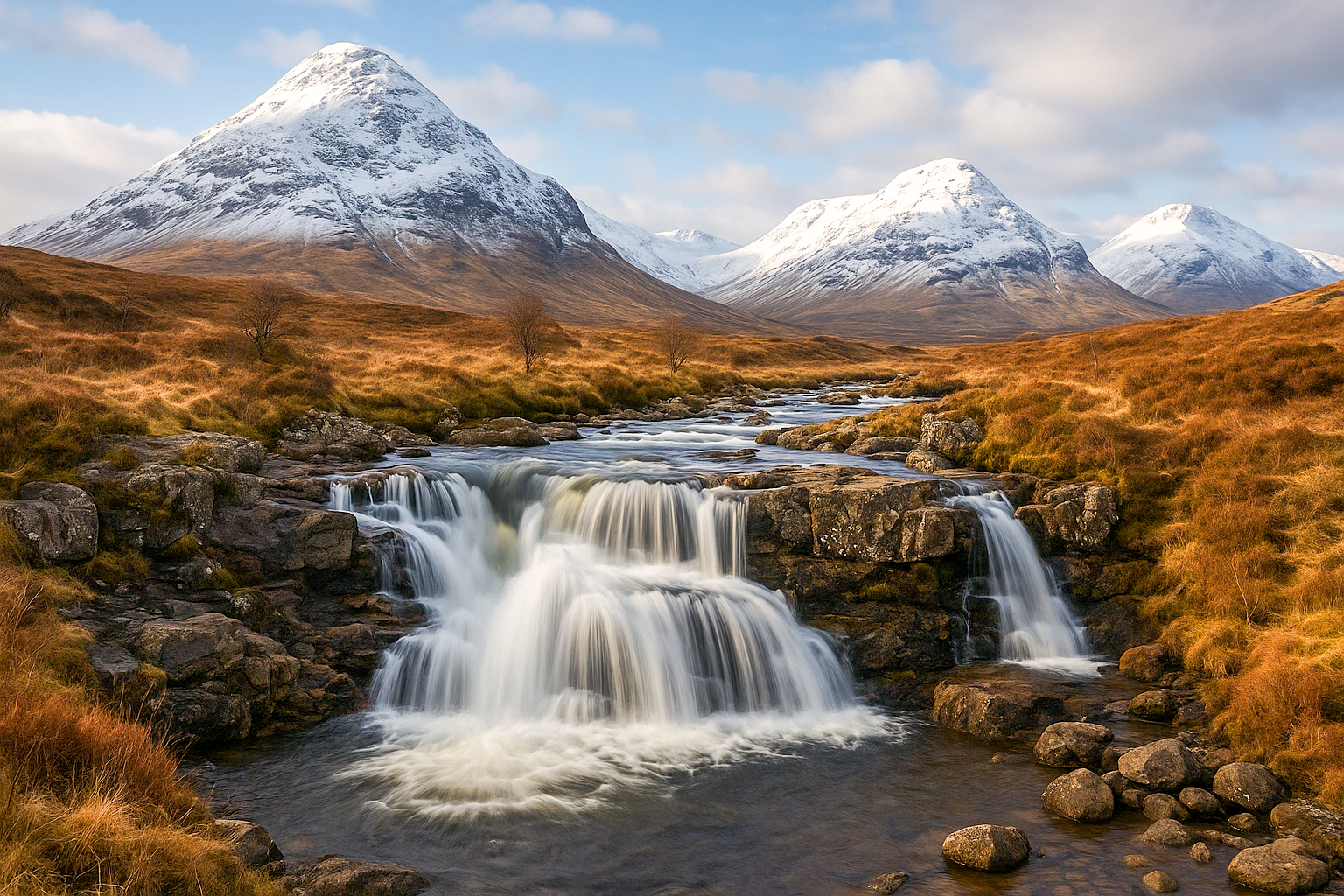
If anyone can create a spectacular landscape at the click of a button, then perhaps spectacular landscapes won’t feel quite so spectacular anymore.
If nature is increasingly portrayed as a perfect landscape – when it’s very imperfection is one of it’s greatest joys….
That got me wondering…
If beautiful pictures become so easy to produce…
What will people value instead?
Authenticity Will Become Valuable Than Ever
This where I get optimistic….
Artificial Intelligence won’t replace the landscape photographer, but it will favour those who are willing to embrace it, adapt to it and continue evolving alongside it.
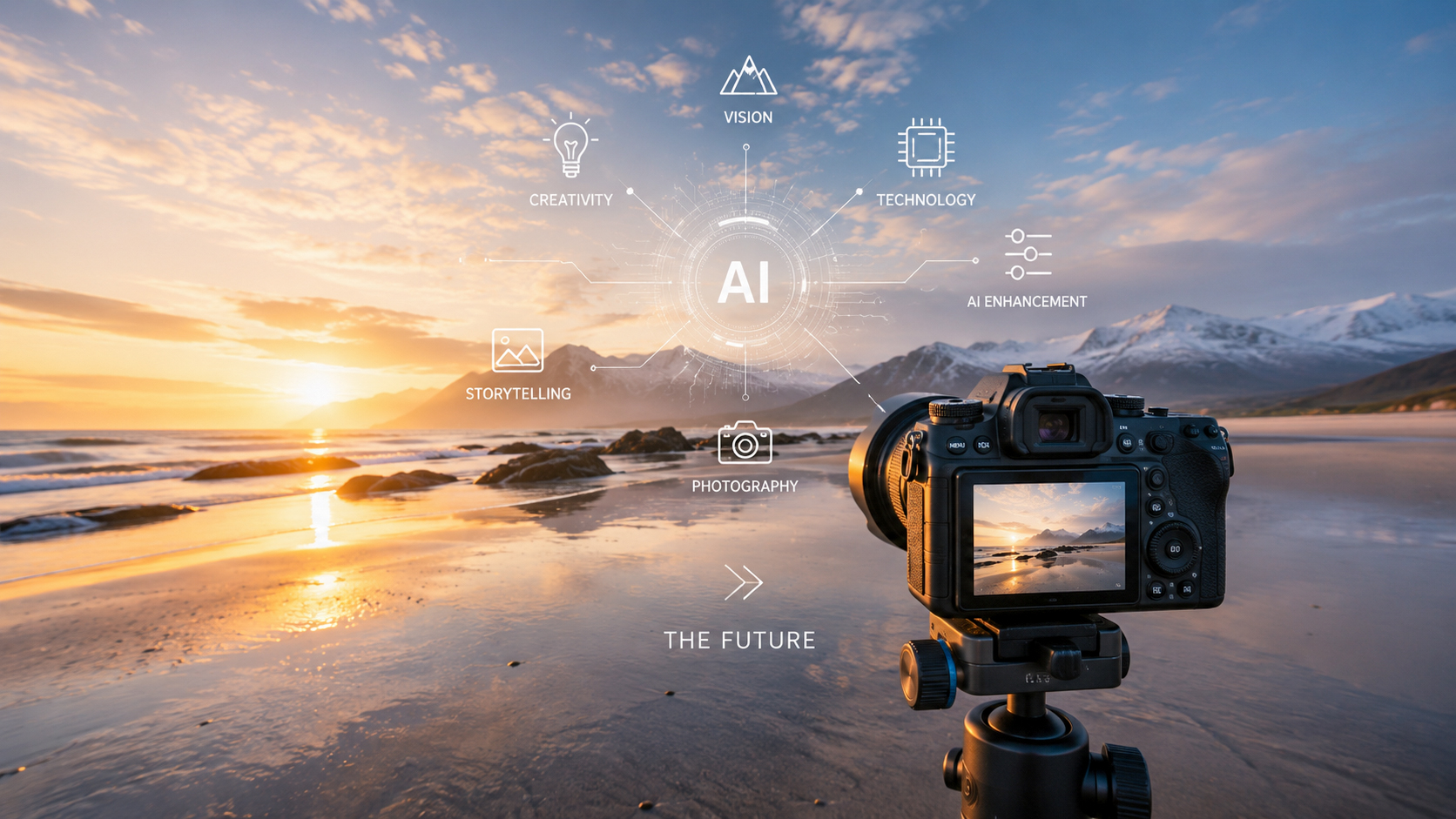
Technology itself is not the problem.
It never has been.
The real question is how much of the creative process we are willing to hand over.
Every technological advance has quietly removed one more decision from the photographer. The camera focuses for us. Software removes noise for us. Our phones tell us exactly where the ight will appear. Editing software suggests improvements before we have even considered making them ourselves.
Little by little…
Photography risks becoming easier.
There is nothing inherently wrong with that.
But there is a danger that ease can slowly replace engagement.
Landscape photography has never simply been about producing beautiful images. If that were true, anyone could purchase a print and experience exactly the same satisfaction.
They cannot.
Because the photograph is only part of the story.
The real story begins long before the shutter is pressed.
Therefore, I believe landscape photographers have a much greater responsibility than just recording a scene.
They always have.
Because that’s something artificial intelligence can never genuinely experience.
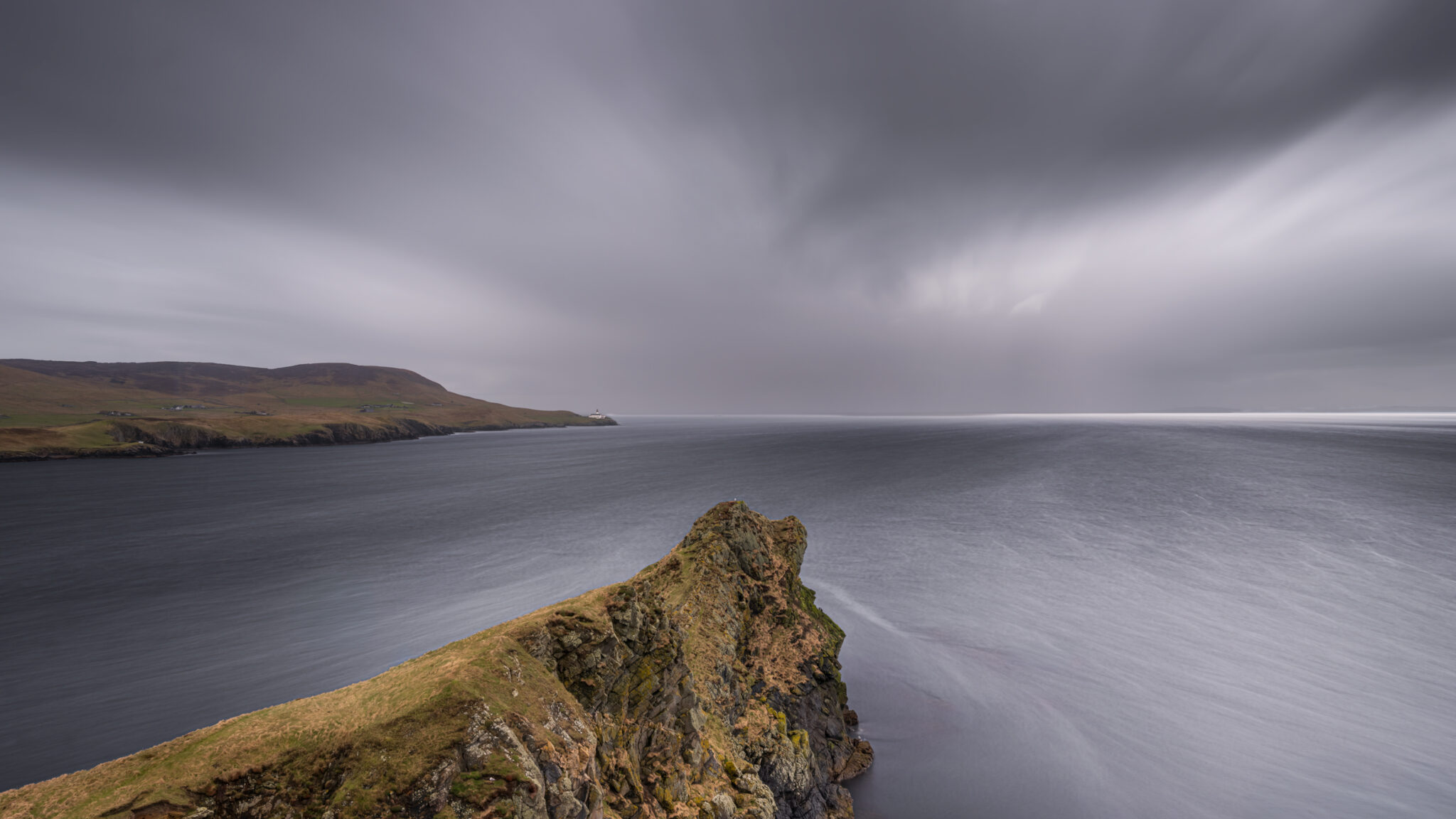
It can create an image of a storm over the Scottish Highlands.
It can analyse millions of sunsets.
It can imitate almost any style.
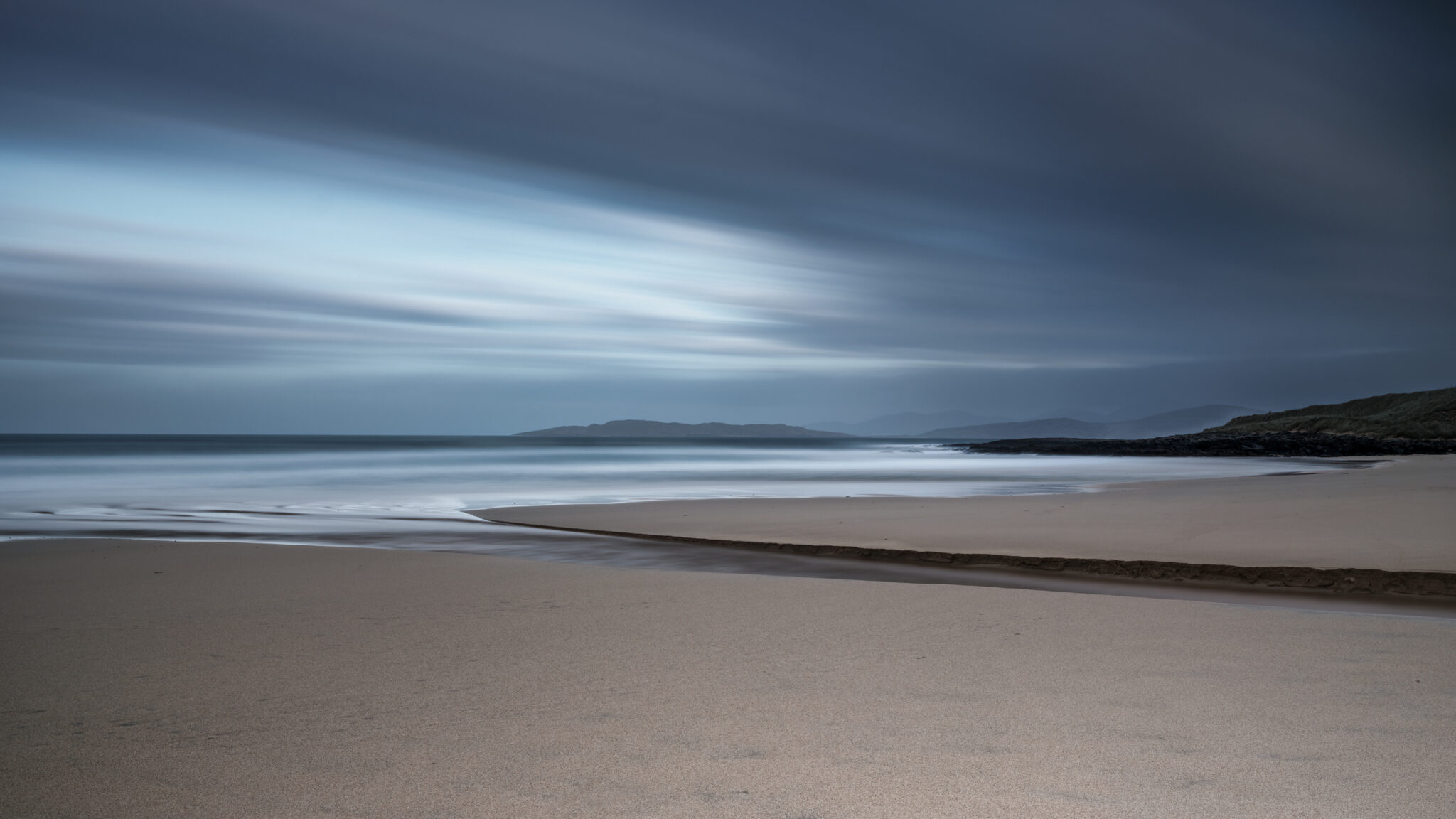
But it can’t stand alone on a deserted beach before dawn.
It can’t feel the anticipation when the first light begins to break through the cloud.
It can’t hear the waves or smell the salt air.
It can’t experience disappointment when nothing happens or the quiet satisfaction when, after hours of waiting, everything suddenly comes together.
Those moments aren’t just part of photography.
They are photography.
The Authenticity Revolution
I believe the next decade will bring something unexpected.
People will begin valuing authenticity more than perfection.
Rather than asking “How did you edit this?”, they’ll ask, “Were you really there?”
The story behind the image becomes increasingly important.
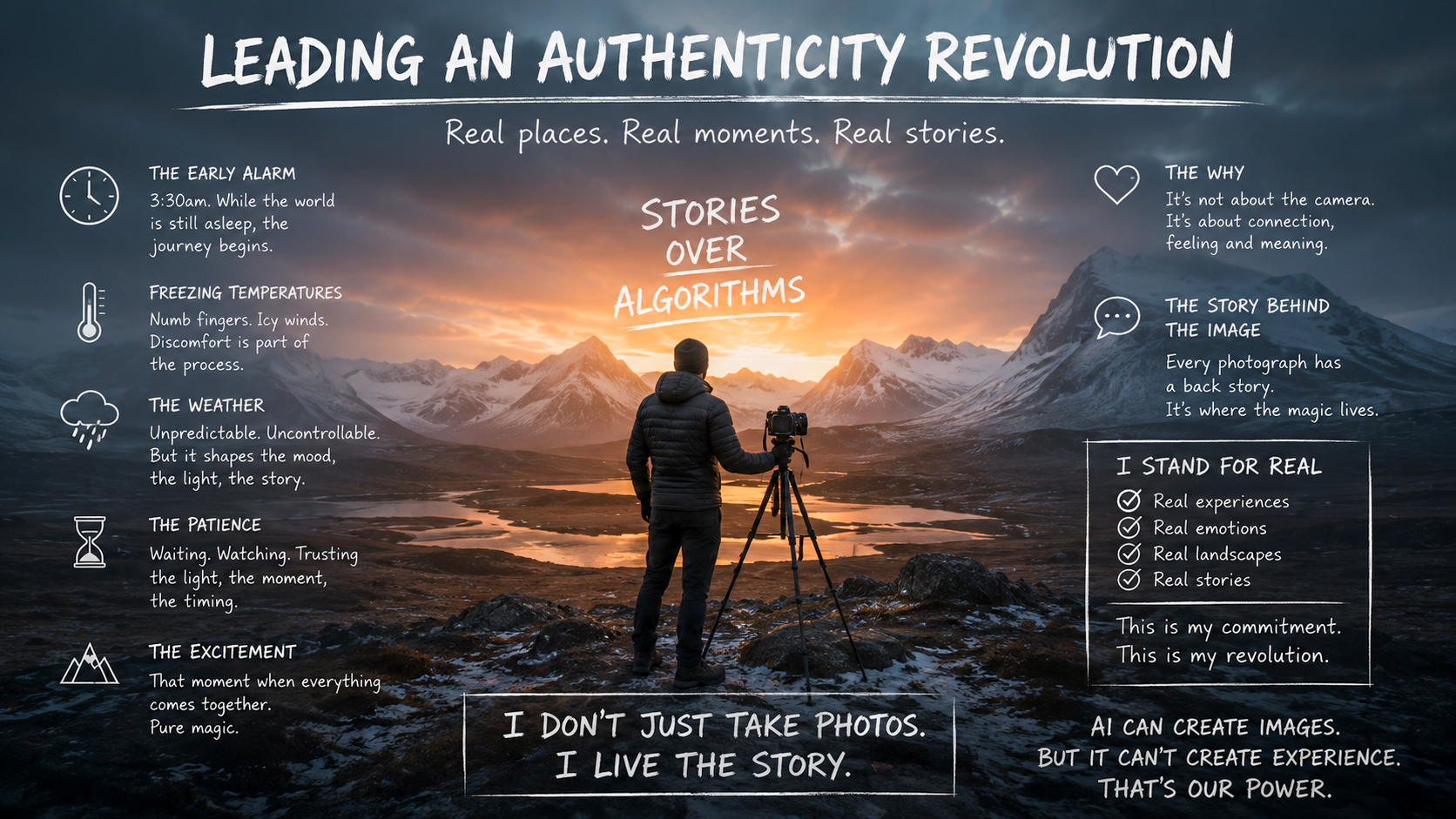
The photographer becomes more important and integral to the photograph with the ability to convey…
The weather.
The long walk.
The failed attempts.
The early alarm.
The freezing temperatures.
The patience.
The excitement.
These experiences become the photograph itself.
The image is no longer judged solely by what it looks like, but by the journey that created it.
It's Already Changing the Way I Teach
If I’m honest, this is something thats been influencing my teaching on photography workshops for quite a while now.
Years ago I probably spent much more time talking about camera settings, filters, exposure, photoshop etc…
Of course those things still matter.
They always will.
But I’ve found myself talking less about cameras and far more about observation.
About slowing down.
About recognising mood.
About understanding why a landscape makes us stop in the first place.
About emotion.
About storytelling.
About learning to see rather than simply learning to operate a camera.
Perhaps, I didn’t consciously realise why my teaching was changing.
Now I think I do.
The technical side of photography is becoming easier every year.
The human side is becoming more valuable every year.
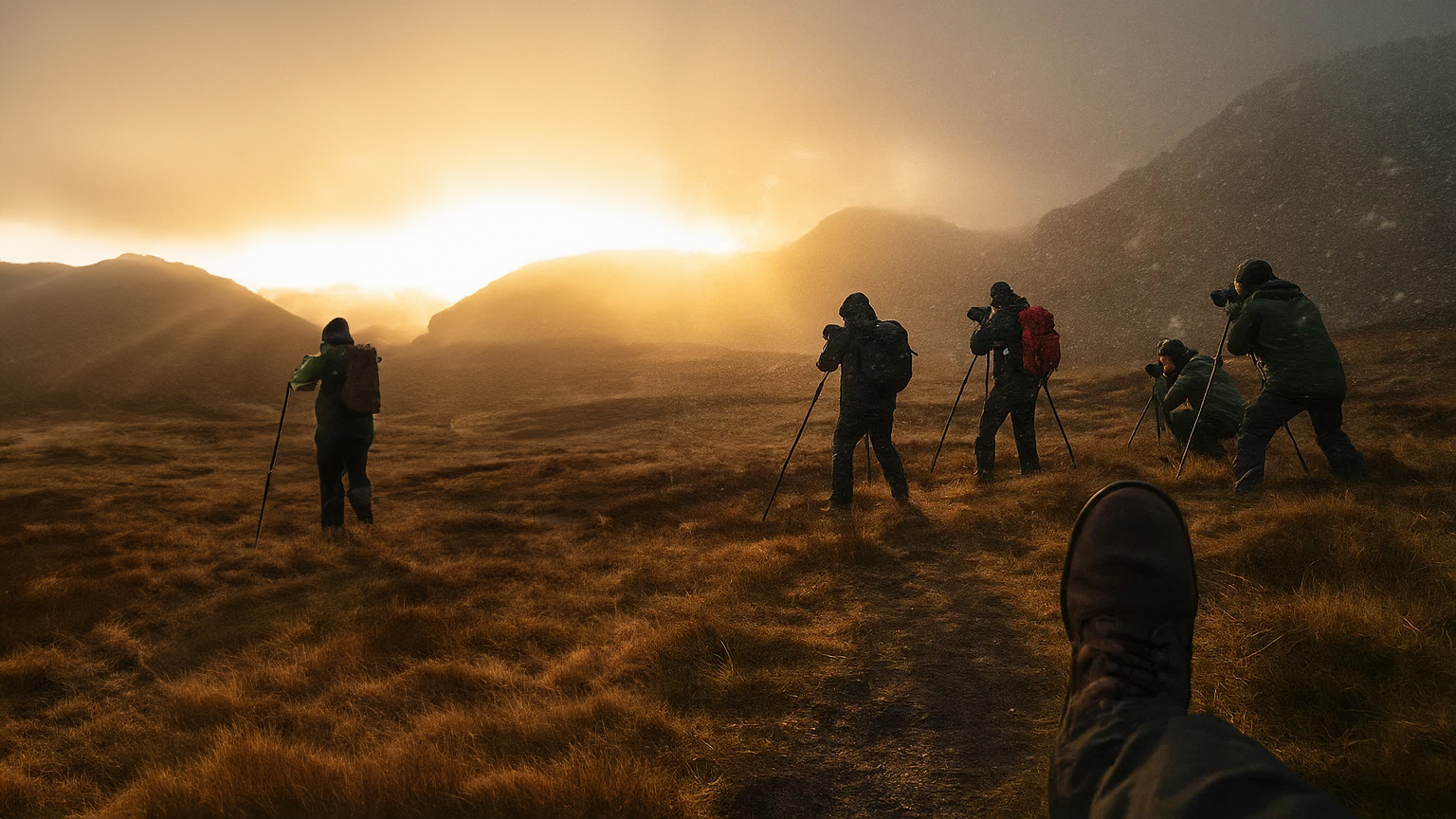
I believe the future of landscape photography will belong not to those who know the most camera settings or have the latest gear, but to those who learn to see more deeply.
To those who are curious.
Patient.
Observant.
Creative.
Empathetic.
Photographers who develop their own voice rather than imitate someone else’s.
That belief has transformed my workshops.
My ambition is no longer simply to teach people how to use a camera. Cameras will continue to become smarter and many of today’s technical challenges will eventually disappear altogether.
My ambition is to help people see differently.
To build confidence in their own judgement.
To encourage them to trust their instincts.
To understand that the most important piece of photographic equipment we possess is not hanging around our necks but sitting between our ears and inside our hearts.
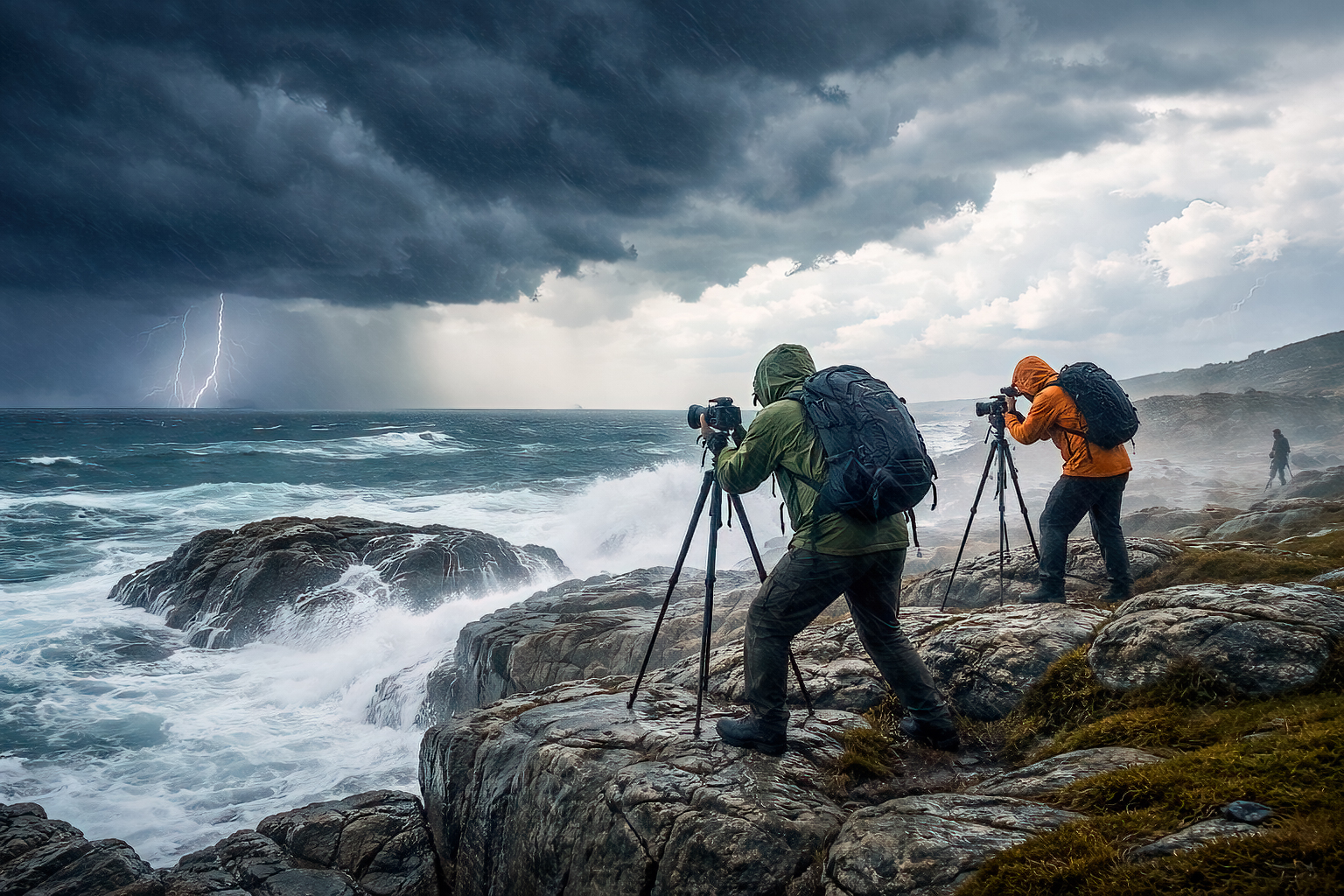
Perhaps that is where the future of landscape photography really lies.
Not in competing with artificial intelligence, but embracing the qualities that makes us unmistakably human.
Because while technology will undoubtedly continue to evolve, there will always be something it cannot reproduce.
Wonder.
Connection.
Emotion.
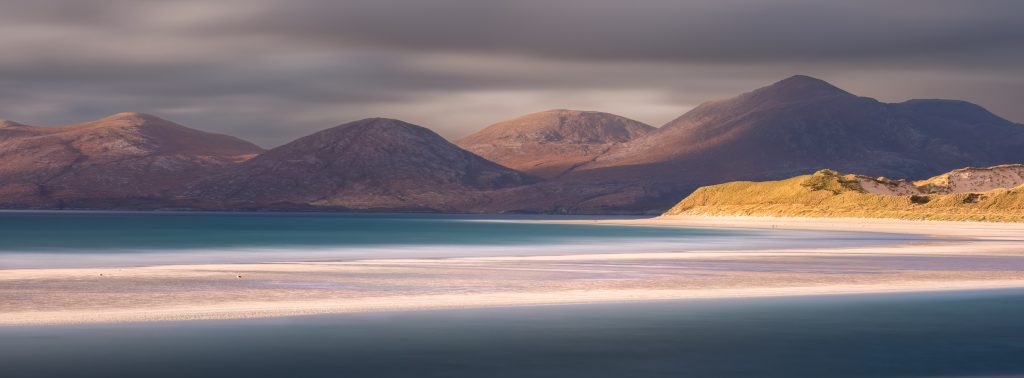
The feeling of standing alone in a wild landscape as the first light touches the mountains.
That is why I still pick up a camera.
And that’s why the future of landscape photography gives me optimism rather than concern.
The cameras will become smarter.
The software will become more powerful.
Artificial Intelligence will continue to reshape the industry.
But the photographs that endure will still be the ones that make us feel something.
And that is worth teaching.
The Photographer is becoming More Important Than The Photograph
Something else has changed recently.
People don’t simply follow photographers because they take beautiful photographs.
They follow them because they enjoy their journey.
They want to know the story behind the image.
The weather.
The failures.
The adventures.
In many ways the photograph has become evidence of the experience rather than the entire story.
And personally, I quite like it.
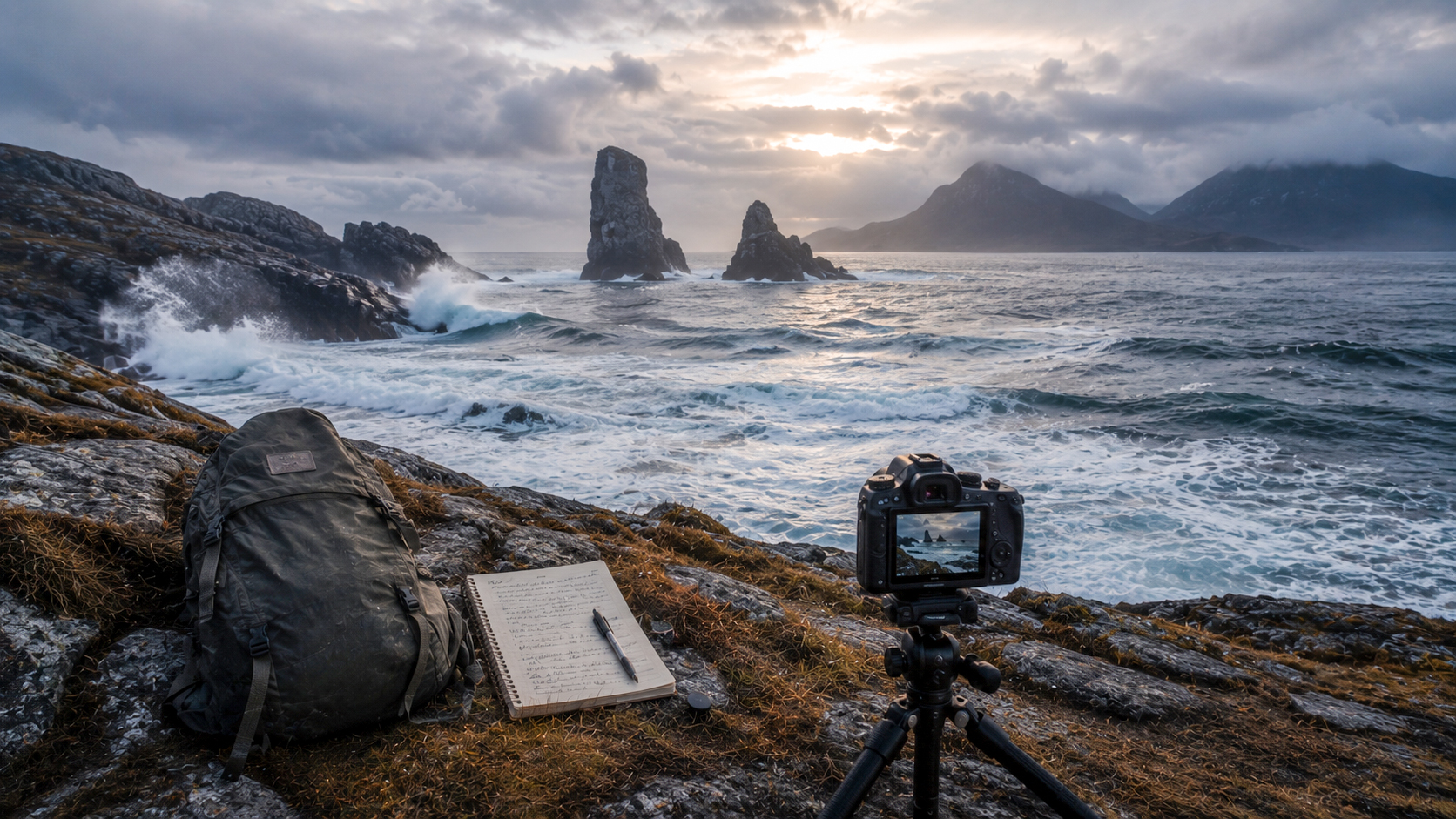
So Where Does That Leave Us
Every major change in photography has rewarded those willing to evolve rather than exist.
I believe the photographers who thrive over the next decade will focus less on competing with technology and more on developing the qualities technology cannot replace.
Ironically, I think the future of landscape photography may take us back to where it began.
Not to film.
Not to manual cameras.
But to the reason most of us picked a camera up in the first place.
To spend time outdoors.
To notice things others overlook.
To slow down.
To connect with nature.
To experience places rather than collect them.
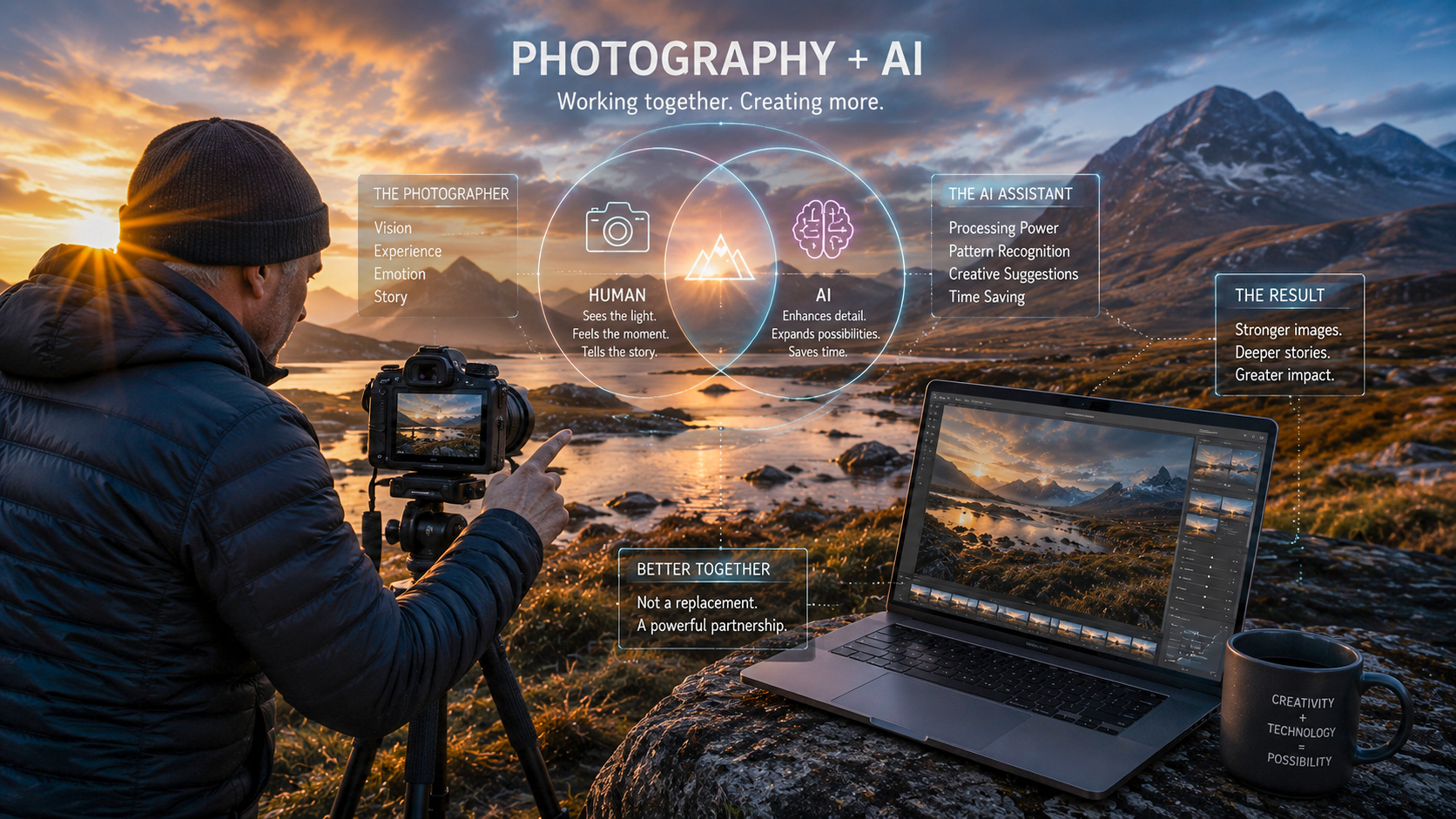
Technology will continue to advance at an extraordinary pace.
Artificial Intelligence will become increasingly capable.
Cameras will become so much more intelligent.
I don’t think we should compete with artificial intelligence.
We’ll lose.
I think our future lies in being more human.
More patient.
More curious.
More observant.
More creative.
More willing to stand in the rain for three hours because we believe something extraordinary might happen.
No camera or computer will ever replace that.
Closing Thoughts
I don’t think the landscape photographers who thrive over the next decade will necessarily be those with the most advanced cameras or the most sophisticated editing skills.
I think they’ll be the ones who remain curious, continue to explore, keep asking questions and never lose the sense of wonder that made them pick up a camera in the first place.
Artificial intelligence will continue to evolve
So will landscape photography.
The photographers who will thrive won’t be those who compete with AI.
They’ll be the ones who offer something AI never can.
A human experience.
A human story.
A human way of seeing the world.
Human Intelligence.
4 Responses
Very insightful and a good read.
Hi Kevin – thank you for comment and I’m glad you enjoyed the article. Dean
Well said Dean.
I’m not against AI totally, unless it tries to go “Terminator” on us or make human effort worthless. I agree with what you’ve said and enjoy the interaction, the give and take with other artistic creators, something that AI (theoretically) would never meaningly appreciate.
Cheers for England advancing in FIFA!
Hi Wes, Thanks very much, I really appreciate that.
I think you’ve hit on something important. AI will become an incredibly powerful tool, and I’d much rather learn how to work alongside it than pretend it isn’t coming. But for me, photography has never just been about the finished image. It’s about the experience, the conversations, the shared excitement when the light suddenly comes together, and the stories behind the photograph. Those are the things that give an image real meaning, and I don’t believe technology can ever truly replace that.
And thank you! As an Englishman, I’m certainly enjoying the ride… let’s just hope we can go one step further now. 🤞⚽