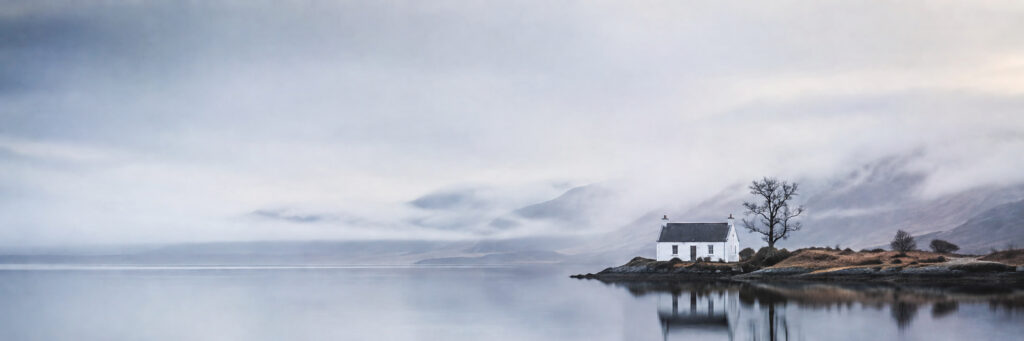
Is a Photography Workshop for Everyone?
No.
Perhaps that seems like a slightly strange admission from somebody who makes a living running photography workshops, but I genuinely don’t believe they are for everyone.
And I think that’s important to say.
In the first two articles in this Inside Photography Workshops series, I’ve looked at what a photography workshop actually is and why somebody might choose to attend one. I’ve talked about learning, guidance, being challenged and having somebody alongside you who can perhaps recognise things in your photography that are difficult to see for yourself.
But none of that means everybody needs a workshop.
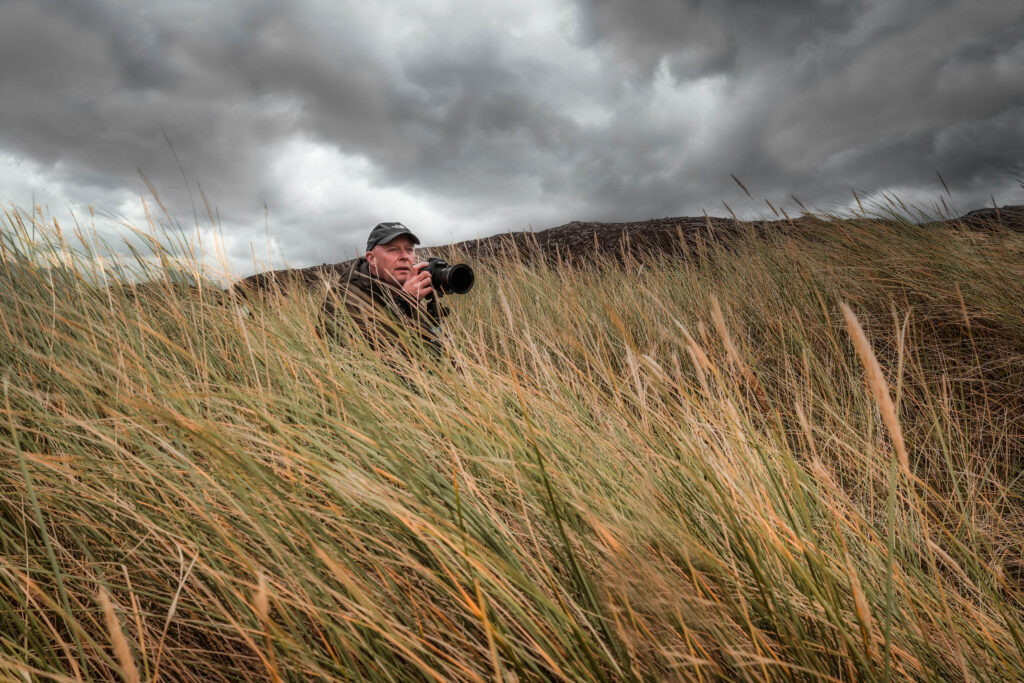
I’ve been a photographer for more than 35 years, and despite now spending a large part of my working life photographing alongside other people, I still love photographing alone.
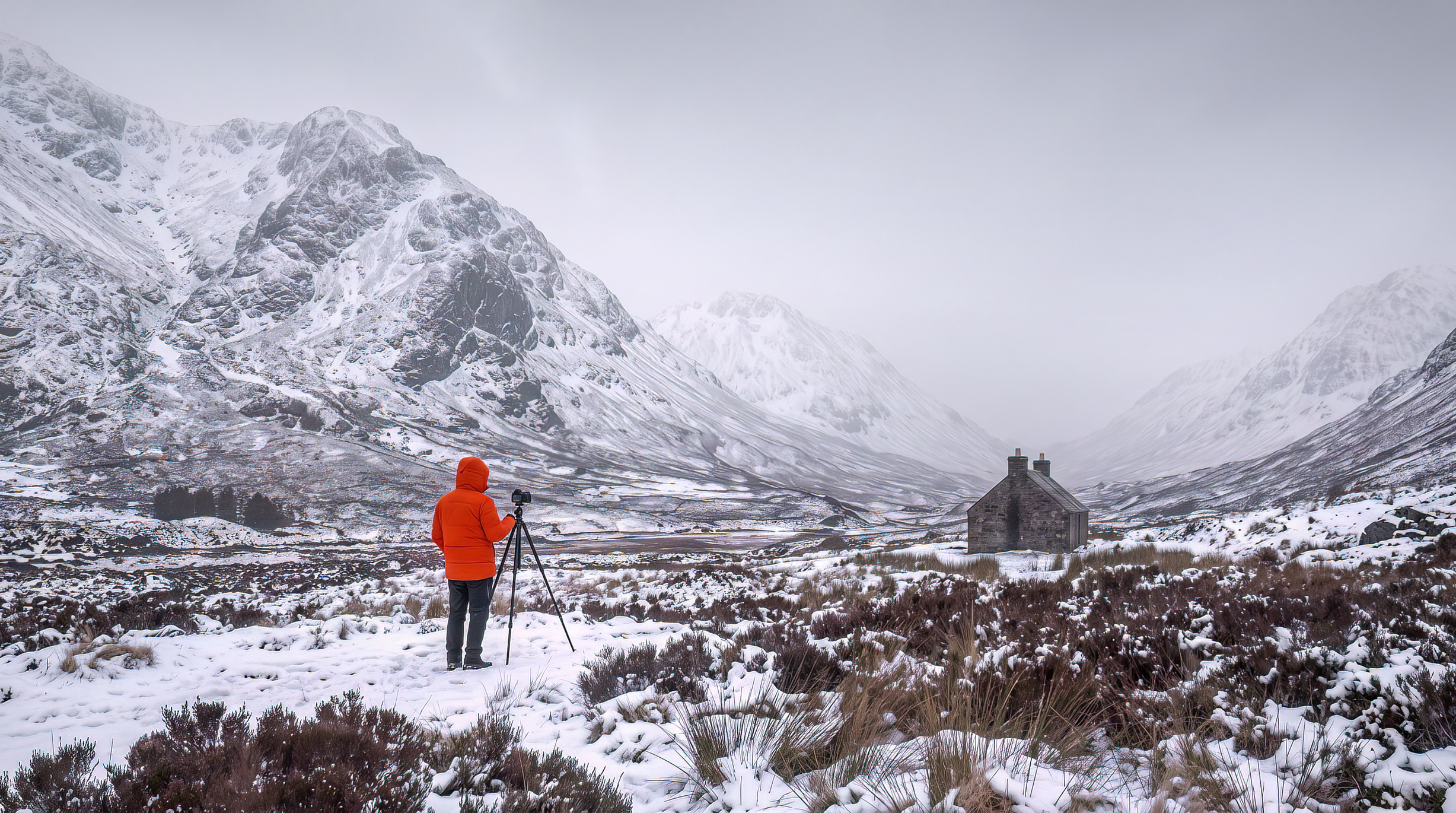
There is something wonderfully selfish about it.
I can stop wherever I want. I can spend three hours looking at something that another photographer might walk past in three minutes. I can change my mind, abandon a location, follow the light somewhere completely different or simply sit down and do absolutely nothing for a while.
There is nobody waiting for me.
And sometimes that freedom is exactly what I need.
So I completely understand photographers who say “I’d rather go by myself.”
For some people, that independence is an important part of photography. They don’t particularly want company, guidance or somebody questioning why they’ve composed an image in a particular way. They enjoy working things out for themselves.
And there is absolutely nothing wrong with that.
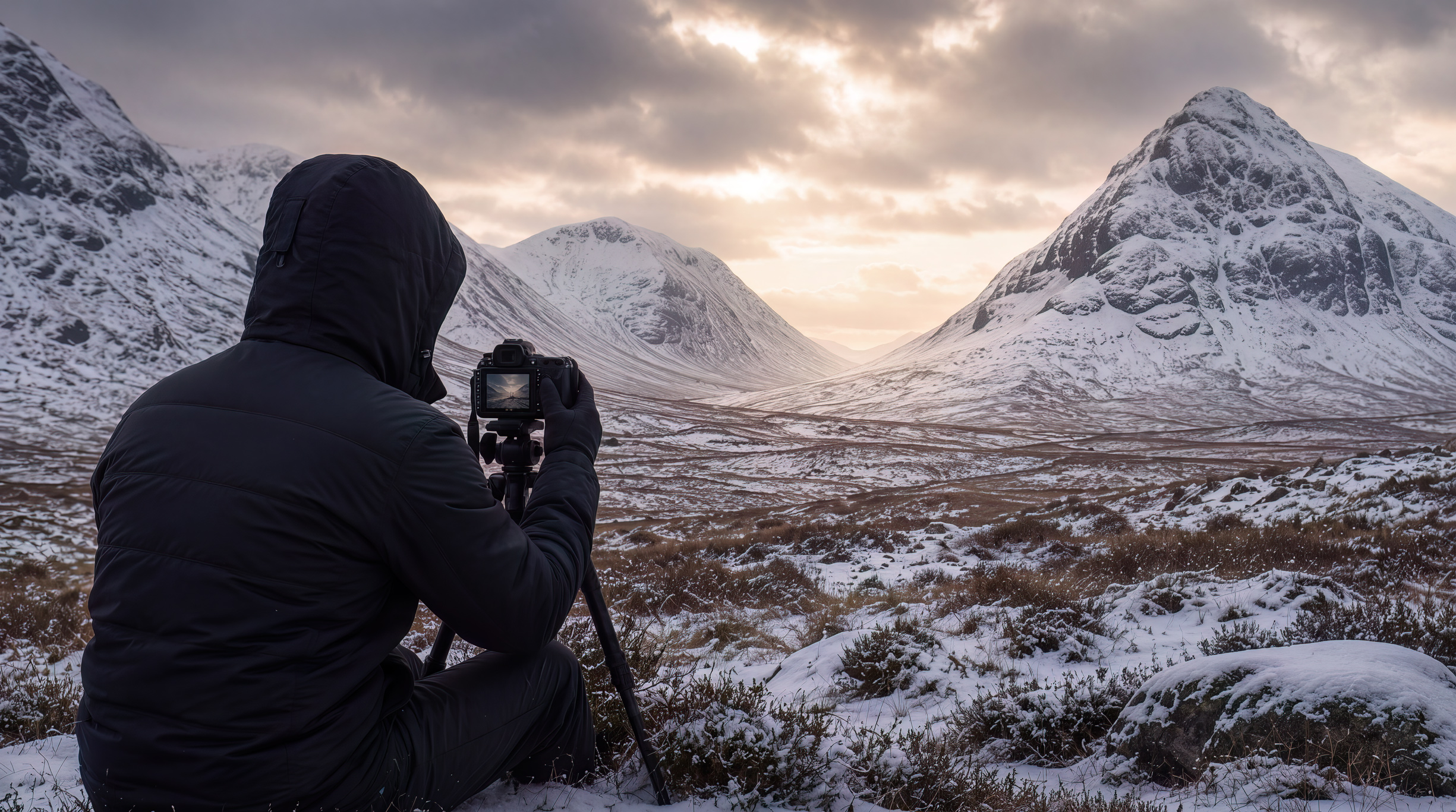
Guidance isn't Instruction
I also think there is sometimes a misconception that attending a photography workshop means spending several days being told what to photograph.
Stand here.
Use this lens.
Put your tripod here.
Use this aperture.
Take the photograph.
That’s certainly not how I see my role.
If five photographers stand beside me and produce five versions of my photograph, I don’t think I’ve taught them very much.
For me, the interesting part begins when somebody starts recognising what they see in a landscape.
My job is to help them get there.
Sometimes that means talking about composition or technique. Sometimes it means suggesting a different focal length, viewpoint or aspect ratio. Occasionally it means asking a very simple question.
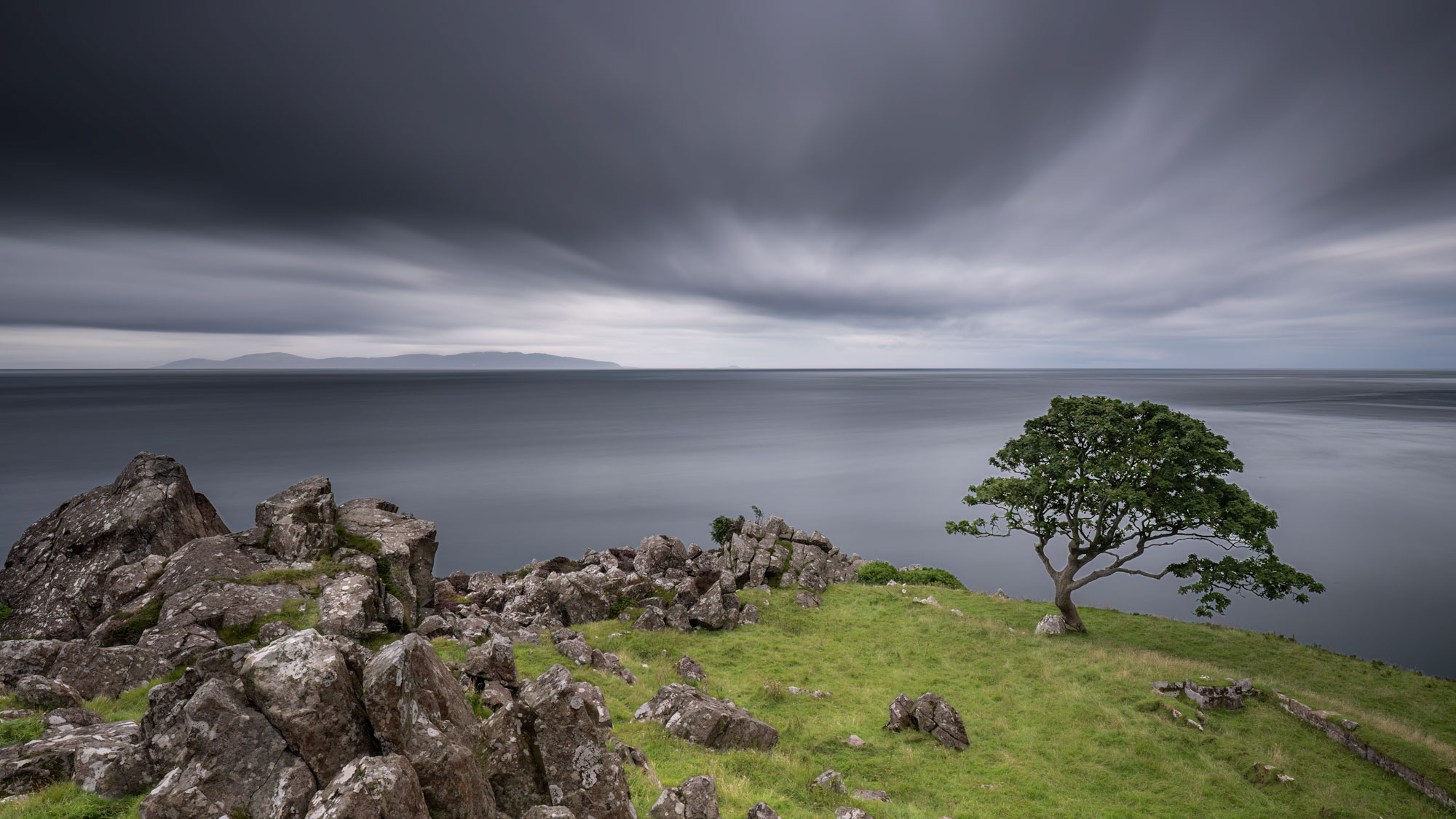
Why are you taking this photograph?
That question can stop us in our tracks.
A workshop therefore requires a certain amount of openness. Not an acceptance that the workshop leader is always right – far from it – but a willingness to listen to another opinion and consider a different approach.
Some of the best conversations I have with photographers happen when we disagree.
Not Every Workshop Will Be Right For You
There is another side to this that I think is equally important.
Deciding that a photography workshop might suit you is only half the decision. You then have to find the right one.
Photography workshops aren’t all the same, and neither are the people who run them.
Some are fast-paced and location-driven. Others are slower and place much more emphasis on tuition. Some involve considerable walking and early starts. Others are more relaxed. Some concentrate heavily on technique, while others are much more concerned with composition, creativity and developing the photographer’s individual way of seeing.
None of these approaches is necessarily better than another.
But one might be considerably better for you.
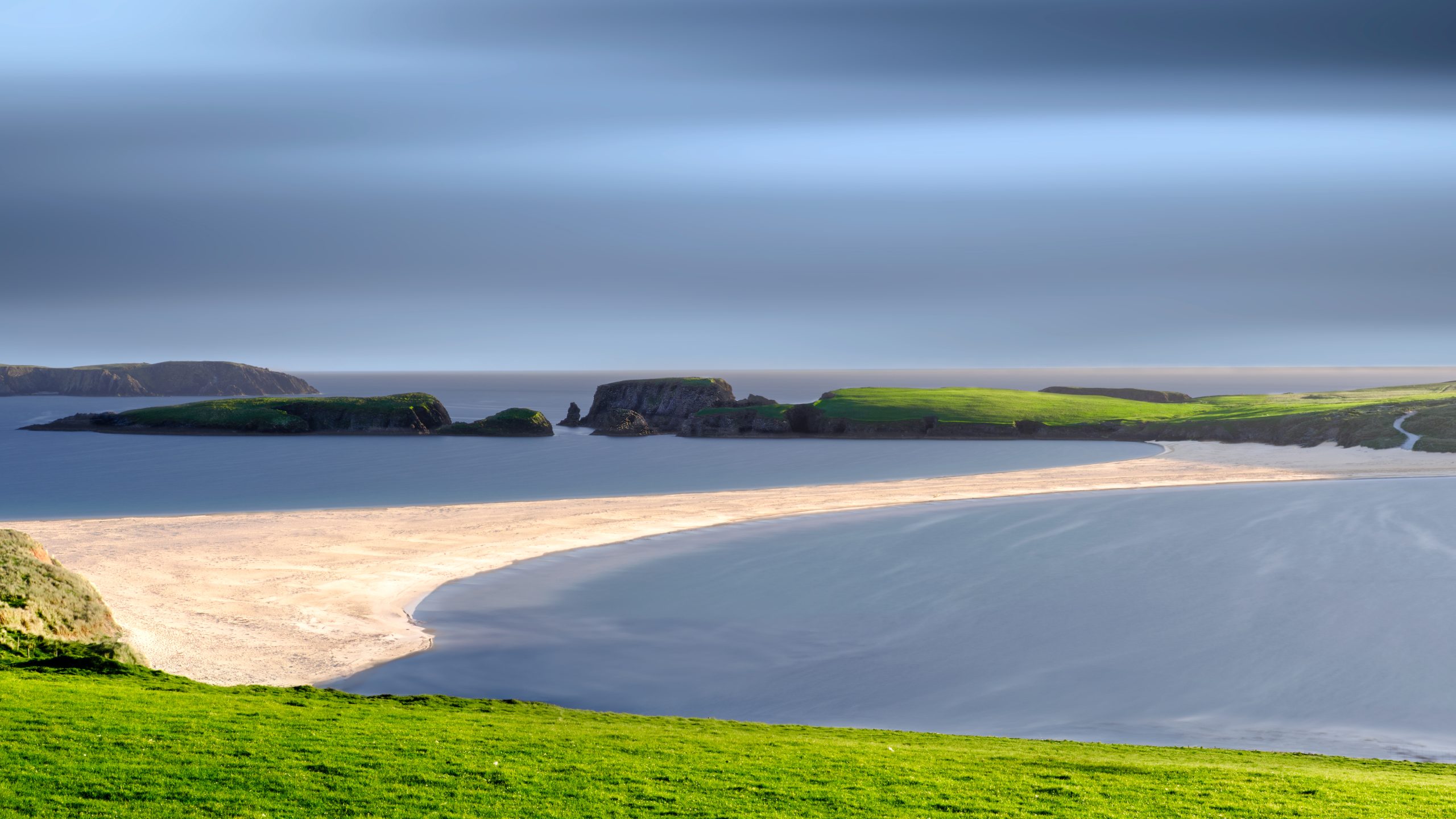
I think it’s worth spending some time looking beyond the photographs on a workshop leader’s website. Beautiful photographs tell you something about that person’s photography, but they don’t necessarily tell you what they are like as a teacher.
What do they believe in? How do they describe their workshops? What importance do they place on teaching and individual development? Does their approach sound compatible with the way you want to learn?
And don’t be afraid to ask questions before booking.
In fact, I’d encourage it.
If somebody contacts me before a workshop and wants to talk about their photography, their experience, their mobility, what they hope to achieve or even what they’re worried about, I see that as a positive thing.
Because a workshop is an investment.
Not simply financially, but in your time. You might be giving up a week, travelling hundreds or even thousands of miles and placing a considerable amount of trust in somebody you’ve possibly never met.
I think you have every right to establish whether that person – and in particular that workshop – feels right for you before you make that commitment.
There's Another Part of Workshops Too
The clue is in the word group.
On a residential workshop, you’re often travelling together, eating together and spending several days in each other’s company.
For many people, that’s a huge part of the enjoyment.
I’ve lost count of how many times I’ve watched complete strangers arrive on the first day and leave a week later exchanging telephone numbers. email addresses and promises to photograph together again.
Photography can be quite a solitary pursuit, so being surrounded by people who share the same enthusiasm can be enormously enjoyable.
But again, that won’t appeal to everybody.
Even on workshops where I deliberately give photographers plenty of space, there will inevitably be some compromise. Perhaps we’d stay longer if you were alone. Perhaps we’d leave earlier. Perhaps you’d choose another location entirely.
If having complete control over where you go, how long you stay and when you move on is an important part of your photography, then a group workshop may simply not be for you.
What Are You Expecting?
This, for me, is perhaps the biggest question.
A photography workshop can’t guarantee great light.
It can’t guarantee dramatic weather.
It can’t guarantee that you’ll return home with an award-winning photograph.
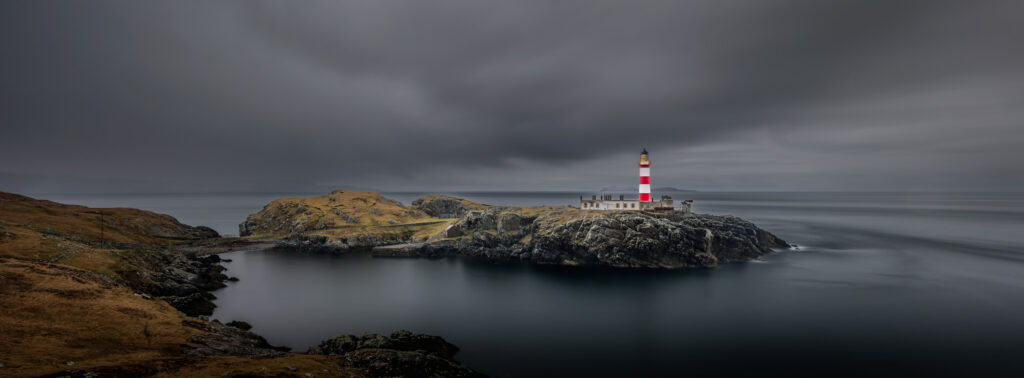
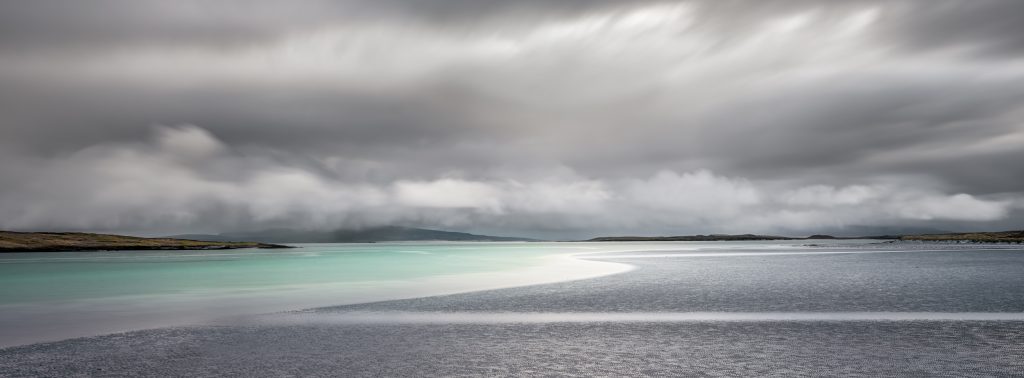
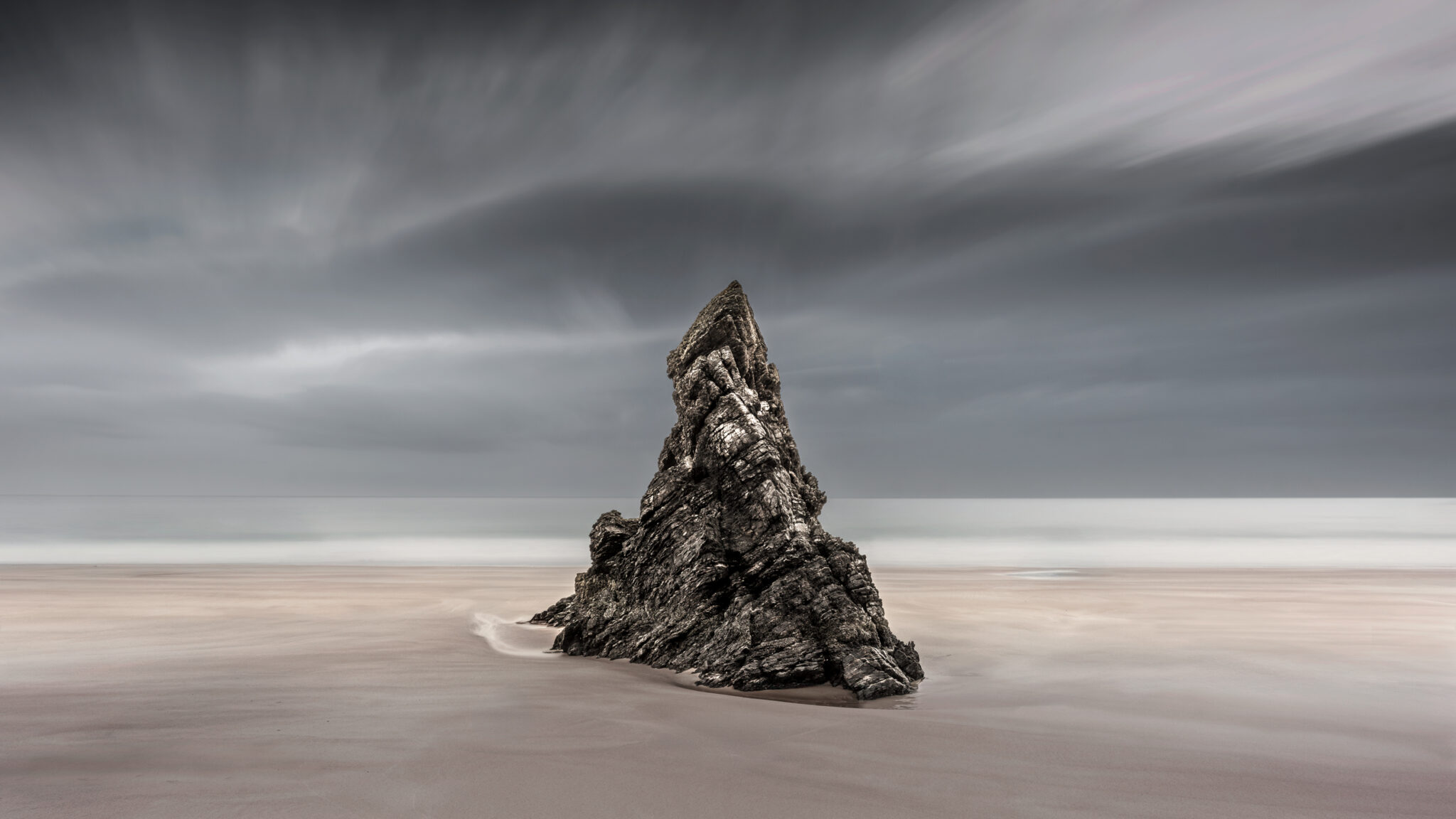
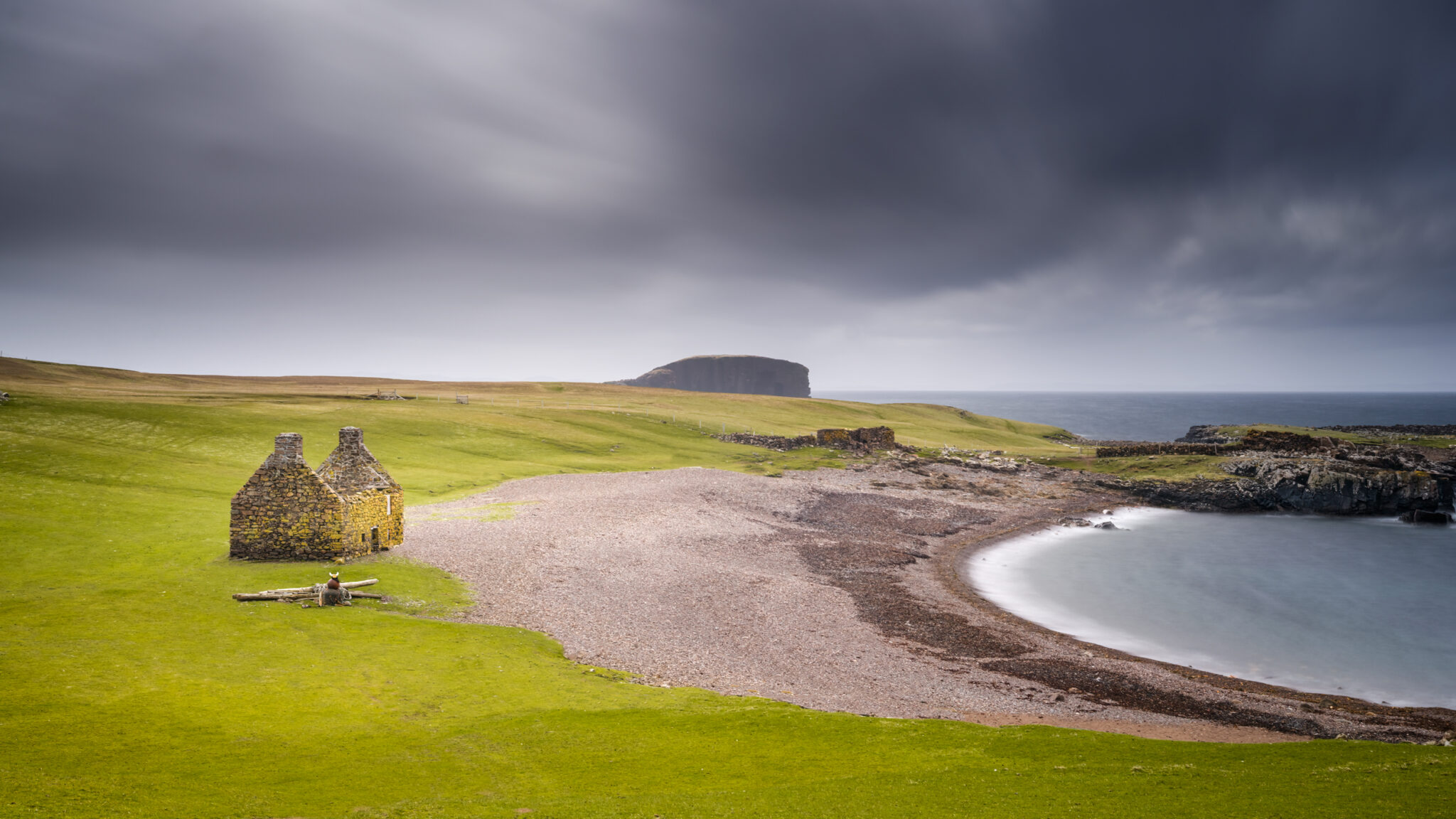
I’ve taken groups to some of the UK’s most spectacular landscapes – the Outer Hebrides, Assynt, Torridon, Skye and many others – and I’ve stood there with them beneath completely featureless grey skies.
That’s landscape photography.
The landscape doesn’t know we’ve paid for accommodation, travelled hundreds or thousands of miles or got out of bed at four o’clock in the morning.
It owes us nothing.
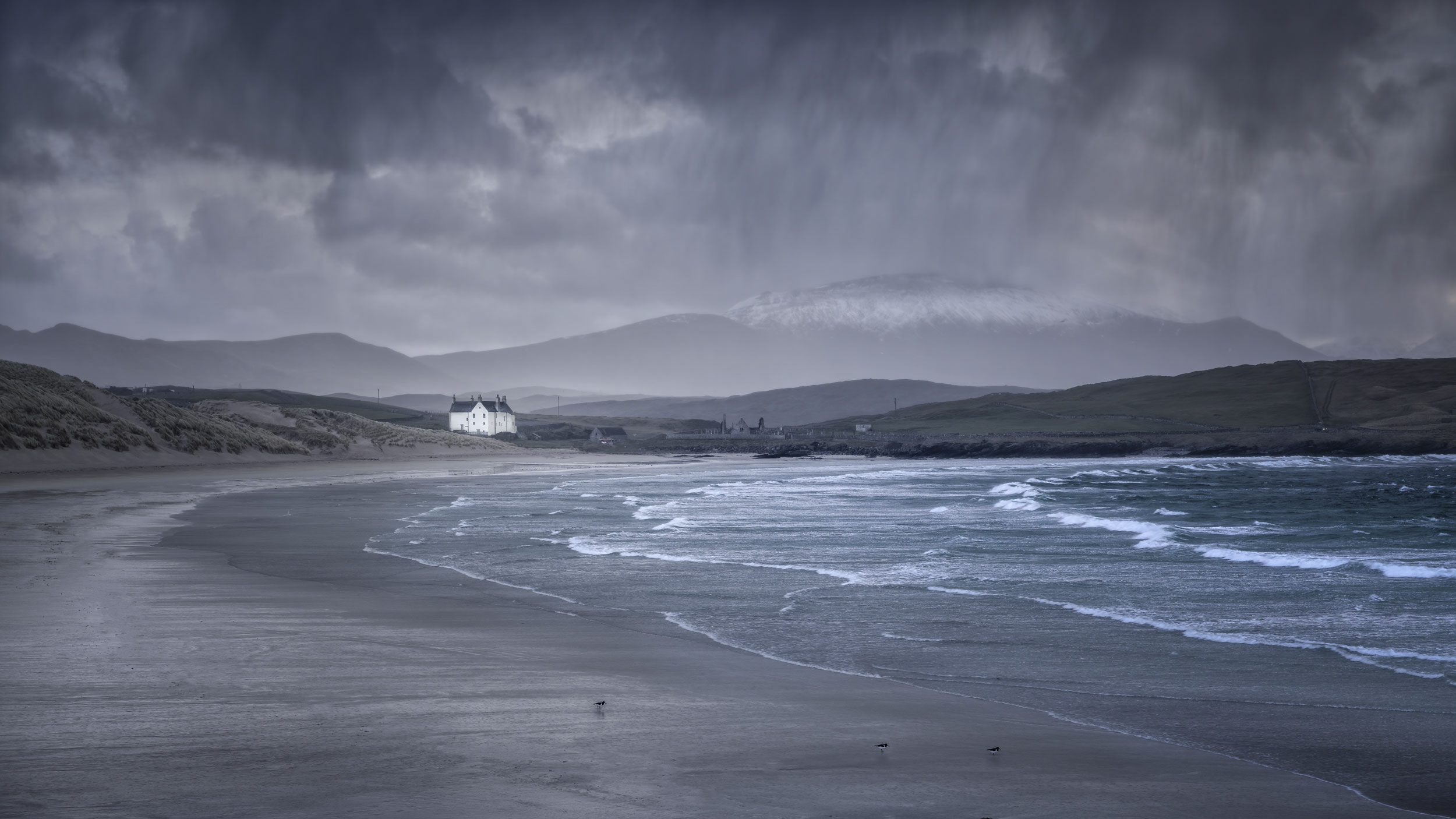
What a workshop can provide is opportunity.
Time to photograph. Access to knowledge. Experience. Encouragement. Constructive criticism. Conversations about photographs. And, perhaps most importantly, an environment where you can concentrate almost entirely on your photography for several days.
But you still have to do the work.
You still have to look.
You still have to think.
And sometimes you have to accept that the photograph you imagined simply isn’t there.
In fact, learning to recognise that can be just as valuable as taking one.
Do I Need To Be Good Enough?
There’s one other question I’ve encountered many times over the years, and it’s perhaps more common than people realise.
“Am I good enough to come on a photography workshop?”
I’ve photographed alongside complete beginners and people who have been making photographs for decades. I’ve worked with photographers carrying relatively simple cameras and others arriving with equipment worth considerably more than my vehicle.
Experience doesn’t remove the need to learn either. Some of the photographers I’ve worked with have decades of experience behind them. They aren’t necessarily looking for somebody to teach them how to use a camera. Sometimes they’re looking for a fresh pair of eyes, a different perspective or simply something that challenges a photographic routine they’ve become comfortable with.
None of that determines how much somebody can gain from a workshop.
People arrive at different stages, with different levels of knowledge, confidence and expertise. The important thing isn’t where you are when you arrive. It’s whether you’re curious, willing to learn and prepared to explore your photography.
In fact, sometimes the photographer who knows the least technically arrives with the fewest preconceptions – and that can be incredibly refreshing.
You don’t need to be a good photographer to attend a photography workshop.
It should help you become more confident in the way you see for yourself.

So, Is a Photography Workshop For You?
Perhaps that’s the wrong question.
Maybe the better questions are these:
Are you curious?
Are you willing to slow down?
Are you open to another person’s perspective?
Are you comfortable having your thinking challenged occasionally?
And do you want to spend some dedicated time concentrating on your photography alongside people who share that enthusiasm?
If the answer is yes, then I think a good photography workshop can offer something genuinely valuable.
Not because somebody will show you where to put the tripod.
But because, over time, you may begin needing them to show you less and less.
And surely that’s the point.
A workshop shouldn’t teach you to see like somebody else.
It should help you become confident in the way you see for yourself.