
The Greatest Distraction in Landscape Photography?
Sometimes the biggest changes in our photography don’t come from buying a new camera.
They don’t come from a sharper lens.
Or a better editing technique.
Sometimes they begin with a simple uncomfortable question.
This is one of those questions.
It’s one I’ve been quietly asking myself over the last few months, and more I think about it, the more I wonder whether many of us have slow drifted into the same habit without ever really noticing.
Not because we’re poor photographers.
Quite the opposite.
Because we’ve become very good at using the incredible technology available to us.
But perhaps we’ve become so good at using our cameras that we’ve started looking at the wrong thing.
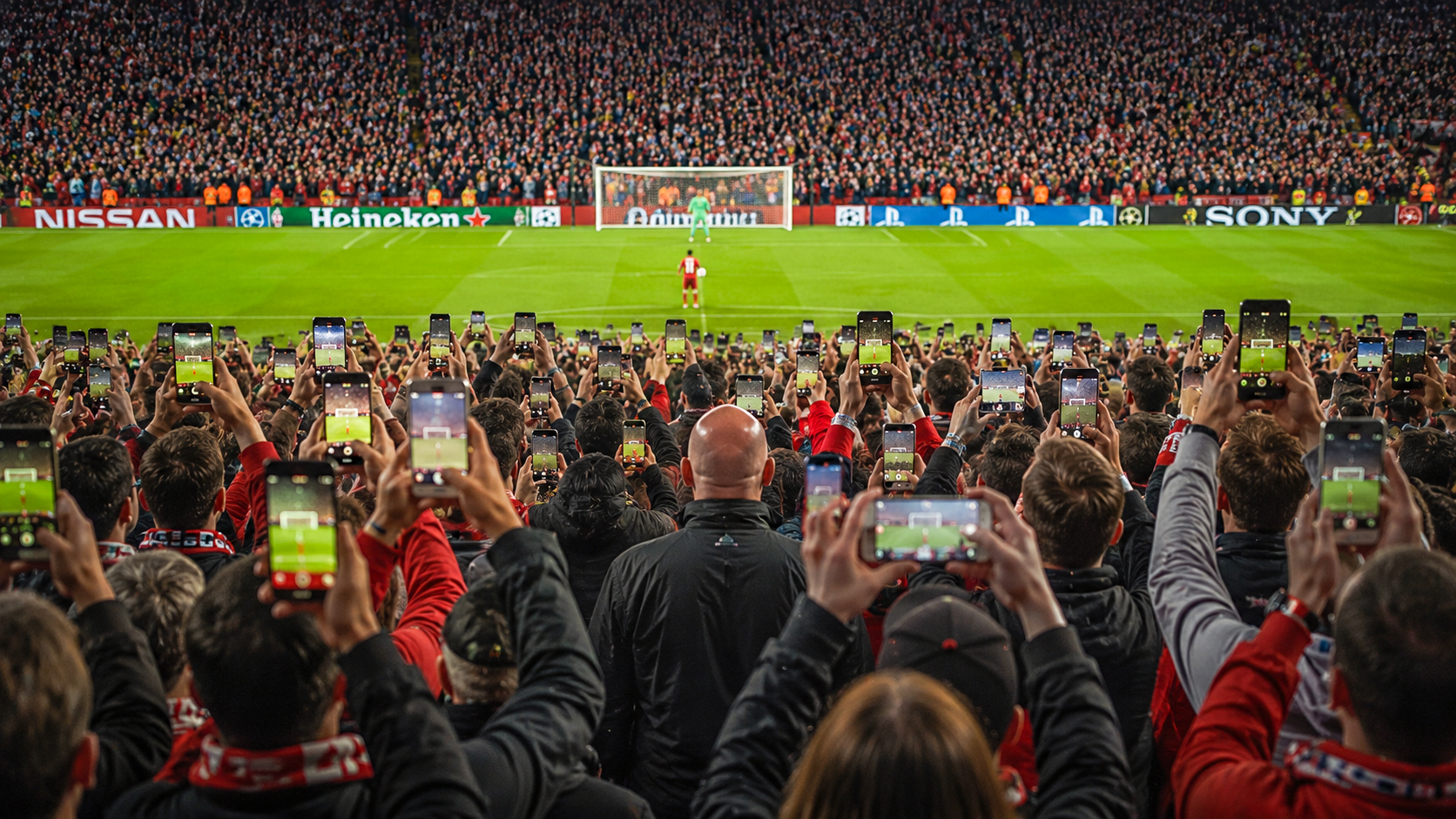
It Started With a Football Match
We’ve all seen it.
Watch almost any major music concert or sporting event on television and sooner or later the camera pans across the crowd.
Thousands of people are holding their phones in the air.
They’re recording every second.
Whenever, I see it I find myself thinking exactly the same thing.
“Put the phone away”
“You’re never going to experience this moment through a screen”
Watch the performance.
Feel the atmosphere.
Be completely present.
You’re there to experience it, not simply to record it.
Then, not so long ago, I had a rather uncomfortable thought.
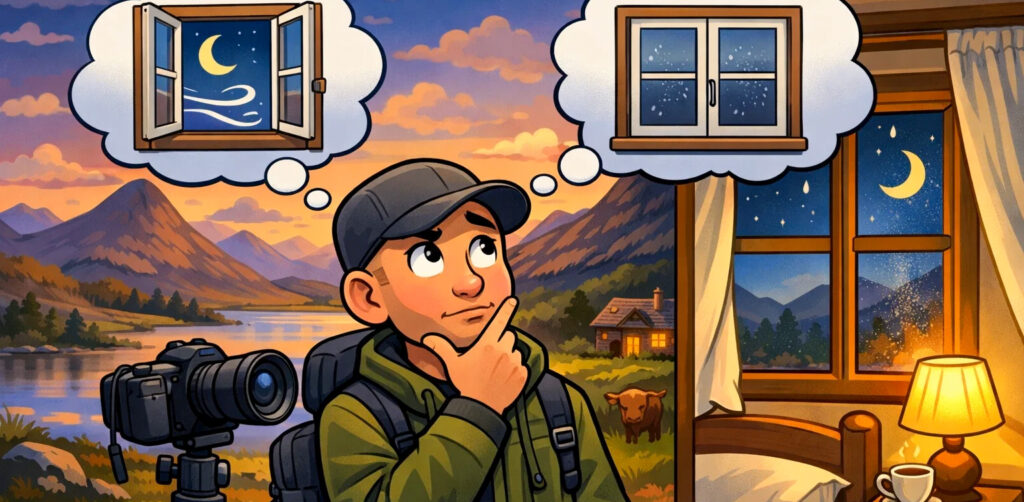
Watching the Landscape........Or Watching the LCD Screen?
As landscape photographers, we’re incredibly fortunate.
We spend our time in some of the most beautiful places imaginable.
Watching dawn creep across a mountain range.
Listening to waves crash onto an empty beach.
Feeling the warmth of the sun after a freezing morning.
Watching mist weave its way through a glen.
These are extraordinary moments.
They’re the reason many of us picked up a camera in the first place.
Yet I began to wonder how much of those moments I was actually experiencing.
I’d take a photograph.
Look at the Liquid-Crystal Display (LCD).
Zoom in.
Check the histogram.
Check the focus.
Adjust something.
Take another photograph.
Look at the LCD.
Look again.
Then another.
Without even realising it, I was spending more time looking at the back of my camera than I was looking at the landscape itself.
This was quite a sobering realisation.
When Photography Didn't Have a Screen
The strange thing is, for much of photographic life, there wasn’t a screen to look at.
When I first started photographing landscapes, we didn’t have LCD screens.
You pressed the shutter.
Trusted your judgement.
Then carried on looking at the scene in front of you.
If I was shooting transparency film, I wouldn’t know whether I’d got the photograph until the slides came back from the lab days later.
That sounds terrifying now.
Looking back, I don’t remember feeling disadvantaged.
In many ways, I remember feeling more connected.
Once the photograph had been taken, there was nothing left except continue enjoying where I was.
The camera almost disappeared.
The landscape remained the centre of attention.
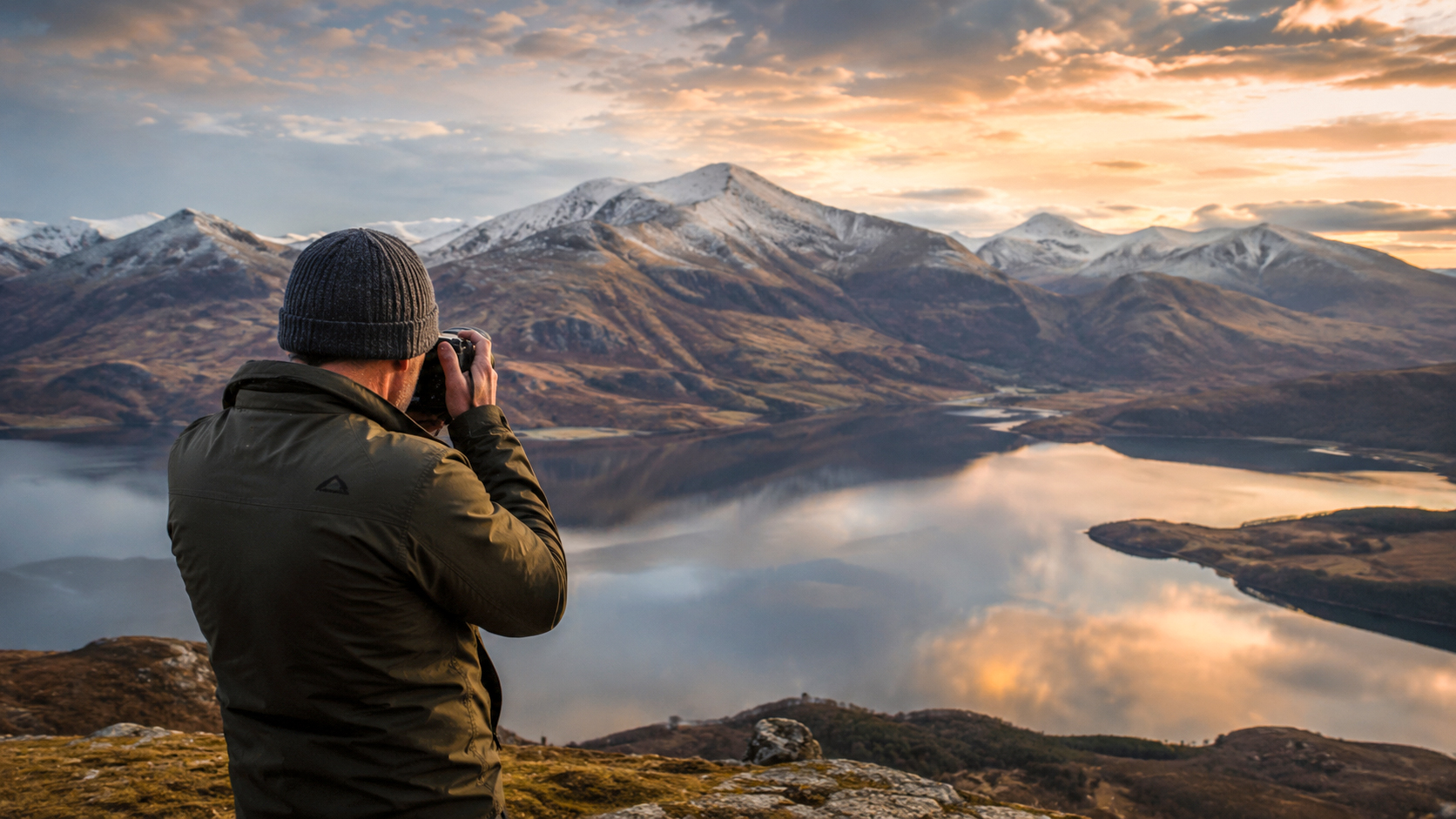
A Brilliant Piece of Technology
Now, before anyone accuses me of becoming nostalgic…
Let me make something very clear.
I love the LCD.
It has transformed photography.
Being able to review an image instantly is extraordinary.
I use it every day.
When I’m teaching workshops.
When I’m making complicated long exposures.
When I’m checking focus after focus stacking.
When conditions are difficult.
The LCD has undoubtedly helped me make better photographs.
This sent an article arguing against technology.
Far from it.
It’s an article about how easily technology can become the thing we pay attention to, instead of the thing that’s quietly helping us.
There’s an important difference.
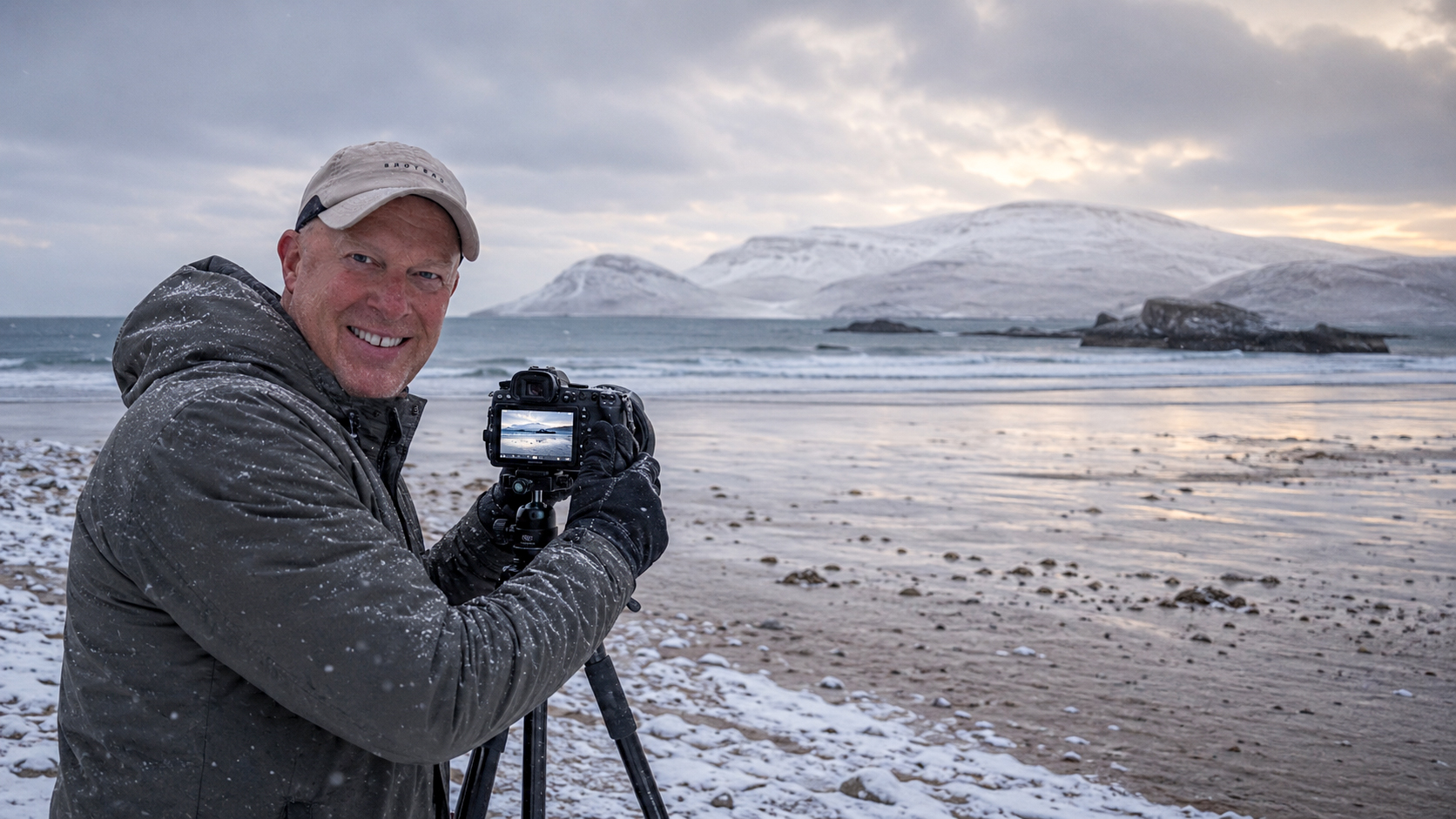
Breaking a Habit
Once I’d recognised what I was doing, I decided to try a small experiment.
Nothing dramatic.
I’d simply take a photograph.
….and not immediately look at the screen.
Instead, I’d continue watching the landscape.
At first it felt surprisingly uncomfortable.
Almost unnatural.
I realised just how conditioned I’d become to seeking reassurance after every single exposure.
Had I got it?
Was it sharp?
Was the exposure correct?

The LCD had quietly become my safety blanket.
But after a while something rather lovely happened.
I started noticing things again.
Clouds changing shape.
A shaft of sunlight appearing for just a few seconds.
Mist forming behind me.
Birds I’d completely overlooked.
The sea changing character as the tide moved.
Tiny details that I’d missed had my attention been fixed on the camera.
Ironically, those moments often led to better photographs than the ones I’d just taken.
Not because the LCD had been preventing me from making good photographs.
But because it had distracted me from noticing what happened next.
The Photograph Isn't The Whole Story
As photographers, we naturally place enormous value on the finished image.
After all, that’s what we share.
It’s what people see.
It’s what ends up on our walls.
But I’ve gradually come to realise that the photograph is only one small part of the experience.
Years from now I probably won’t remember whether my histogram was perfectly balanced.
I won’t remember whether I used a 3 stop ND filter or a 6 stop.
I certainly won’t remember whether I zoomed in to check corner sharpness.
But I will remember…..

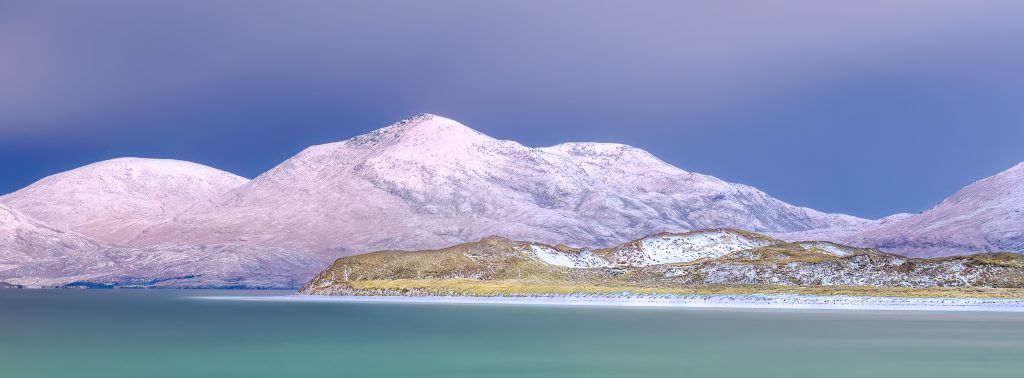
….standing alone on a deserted Highland’s beach while the first light of day slowly spread across the water.
I’ll remember the sound of the oystercatchers.
The smell of the sea.
The bitter cold.
The excitement of watching a storm approach.
The laughter shared with those on my workshops.
The long conversations while waiting for the light.
Those are the memories that stay with us.
The photograph simply reminds us they happened.

Why I Teach Differently Today
Looking back, I think this is one of the reasons my workshops have gradually changed.
Of course we still discuss exposure.
Composition.
Filters. Histograms.
Focus Stacking.
Those things are important.
But increasingly I encourage people to slow down.
To stop chasing photographs for a while.
To simply watch.
Observe.
Listen.
Feel.
Because I genuinely believe the future of landscape photography belongs to photographers who become more human, not more technical.
Technology will continue to improve whether we like it or not.
Our ability to notice beauty is something we must continue to nurture ourselves.
One Last Thought
So the next time you’re standing in front of an incredible landscape, by all means use the LCD.
Check your exposure.
Check your focus.
Check your composition.
Take advantage of one of the greatest innovations photography has ever seen.
Then put the camera down.
Lift your eyes.
Watch the clouds.
Listen to the wind.
Smell the sea.
Feel the rain on your face.
Stand there for a minute longer than you think you need to.
Because one day, when you look back on that photograph, I doubt you’ll remember how many times you checked the LCD.
But you’ll remember how it felt to be there.
And perhaps thats what landscape photography was really about all along.
2 Responses
Good reminder – thanks!
Thank you Mark – it’s surprising how once upon a time, it was never a part of my workflow and yet today using the LCD is an integral part of my workflow and yet there maybe a balance somewhere in between which is a better blend. Dean